
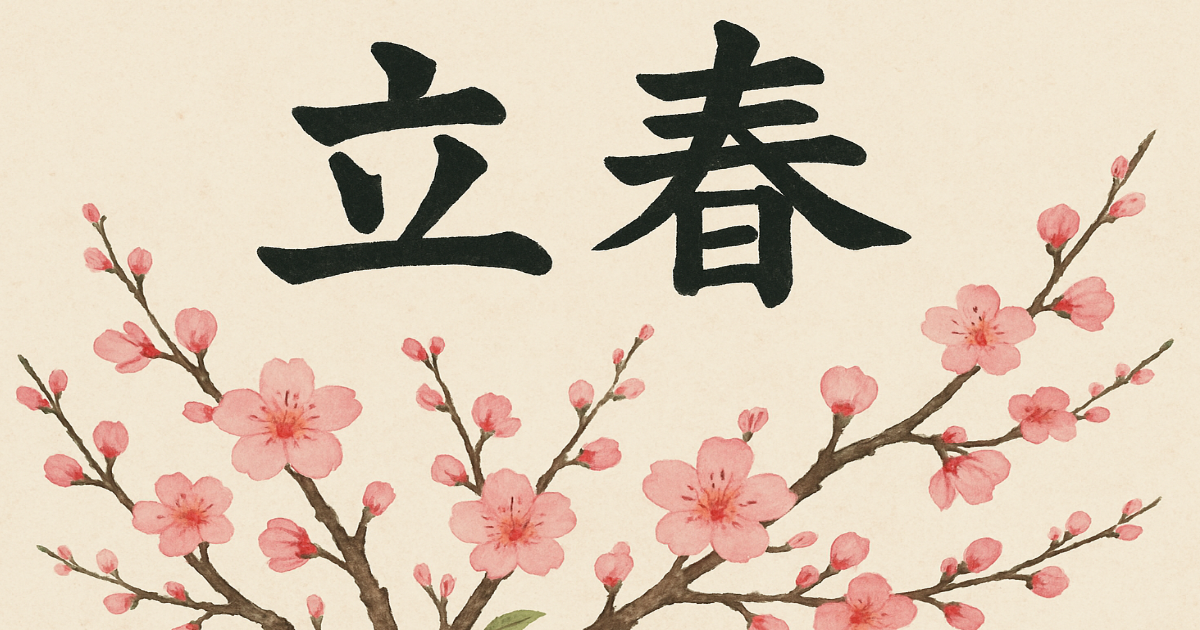
What Is Risshun, the First Day of Spring in Japan?
Risshun falls on February 3 or 4 each year and marks the beginning of spring in the traditional Japanese calendar.
In the old lunar‑solar calendar, it was considered the start of a new year—similar to how we think of New Year’s Day today.
Japan once used this traditional calendar, which was based on the movements of the sun and moon.
Because the date is determined by the sun’s position, Risshun can fall on either the 3rd or 4th depending on the year.
Risshun is also believed to be the day when one’s fortune resets for the year, making it an ideal time to start something new.
Many people use this day to declutter their homes and let go of old belongings as a way to welcome fresh energy.
Risshun and Japan’s 24 Solar Terms
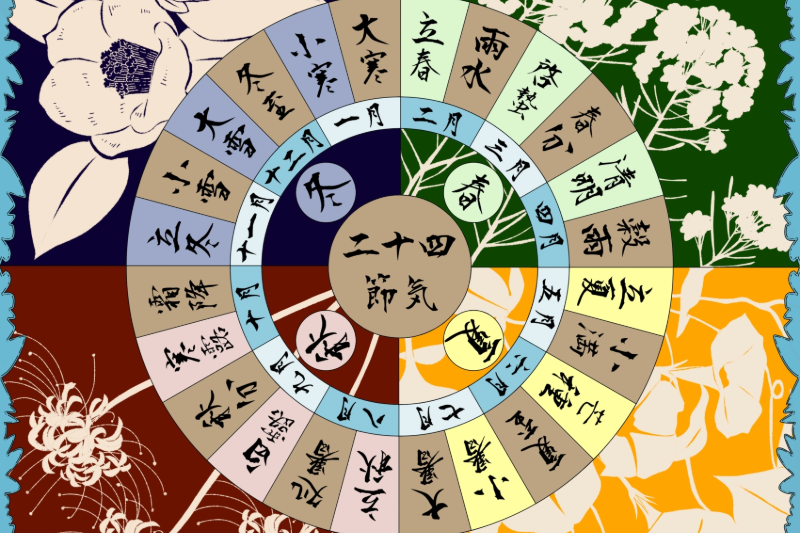
The 24 Solar Terms are a traditional Japanese way of dividing the year into 24 seasonal phases based on the movement of the sun.
This system has been valued in Japan for centuries because it served as an important guide for agricultural work.
Japan is known for having four distinct seasons, but in reality, February still feels very much like winter.
Even so, according to the traditional calendar, this day marks the beginning of spring.
The gap between the calendar’s “spring” and the actual weather is one of the charming aspects of Japan’s seasonal culture.
Traditional Customs for Risshun
Risshun Daikichi
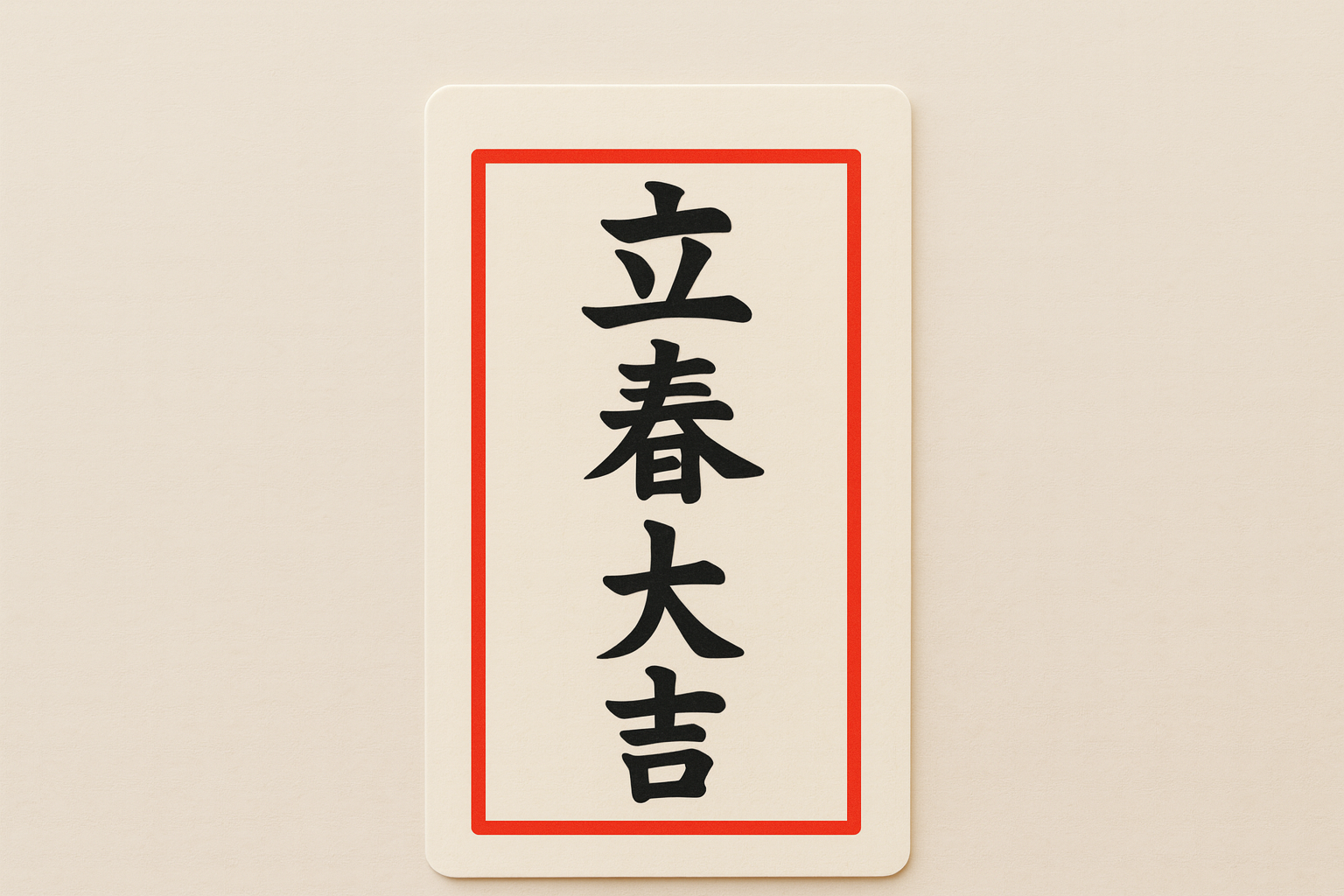
Risshun Daikichi is a phrase that combines the words “Risshun,” meaning the beginning of spring and the start of a new year in the traditional calendar,and “Daikichi,” which means great good fortune.
Together, the phrase expresses a wish for happiness and good luck in the year ahead.
Interestingly, the four kanji characters are symmetrical, so they look the same even when viewed from the back.
Because of this unique design, the phrase is considered highly auspicious.
People traditionally write it on a talisman and place it at the entrance of their home to ward off misfortune and invite good luck for the entire year.
Risshun Asa‑shibori
Risshun Asa‑shibori is a must‑try sake for Japanese sake lovers.
It is produced by breweries across Japan and pressed early in the morning on the day of Risshun.
The freshly pressed sake is then taken to a shrine to receive a blessing, making it a special, auspicious drink for the start of the year.
Because it is considered a “good‑luck sake” for welcoming the new year in the traditional calendar, it has become extremely popular.
It is sold only in limited quantities at breweries and selected shops that are part of the Japan Prestige Sake Association.
Spending Risshun with a glass of this special sake sounds like a wonderful way to celebrate the season.
How Japanese People Feel the Beginning of Spring
After Risshun passes, the air is still cold, yet you can begin to sense hints of spring.
The daylight slowly grows longer, and at shrines and parks, plum blossoms start to open.
Birdsong becomes livelier, and these small changes make you feel that spring is quietly drawing near.
Summary:Welcoming Spring with Intention

Even a single calendar can offer many different ways of understanding the seasons, which makes it truly fascinating.
Since Risshun is said to be a good day to start something new, I like to use this time to set goals, tidy up my home, and try new things.
Some people also visit shrines to pray for a fresh start.
As spring deepens, cherry blossoms begin to bloom across Japan.
I hope you can enjoy the gentle shift of the seasons that begins with Risshun.
コメント