As September begins, the air turns a little clearer, and the colors of the evening sky start to feel deeper and more serene.
In Japan, this shift in the season is marked by a traditional celebration called Chōyō no Sekku, a day that honors chrysanthemums and wishes for long life.
Although it is one of the lesser-known festivals among the Five Seasonal Festivals,it has long been cherished as a graceful custom to welcome the arrival of autumn.
Today, I’d like to gently introduce this quiet and refined tradition.
What Is the Chōyō Festival?
Chōyō no Sekku, also known as the Chrysanthemum Festival, is one of Japan’s Five Seasonal Festivals and is celebrated every year on September 9th.
In traditional East Asian thought, odd numbers are considered “yang,” or auspicious.
Among them, the number nine is the highest, and the day when two nines overlap—the ninth day of the ninth month—has long been regarded as especially fortunate.
The festival has its roots in ancient Chinese philosophy and was introduced to Japan, where it became an important court ceremony during the Heian period.
Because chrysanthemums bloom beautifully at this time of year, the day is also called the Chrysanthemum Festival, and it has been cherished as a time to pray for longevity and good health.
Although it is not widely known today, many quiet and graceful customs remain—traditions that gently celebrate the arrival of autumn in a very Japanese way.
The Connection Between Chrysanthemums and Longevity
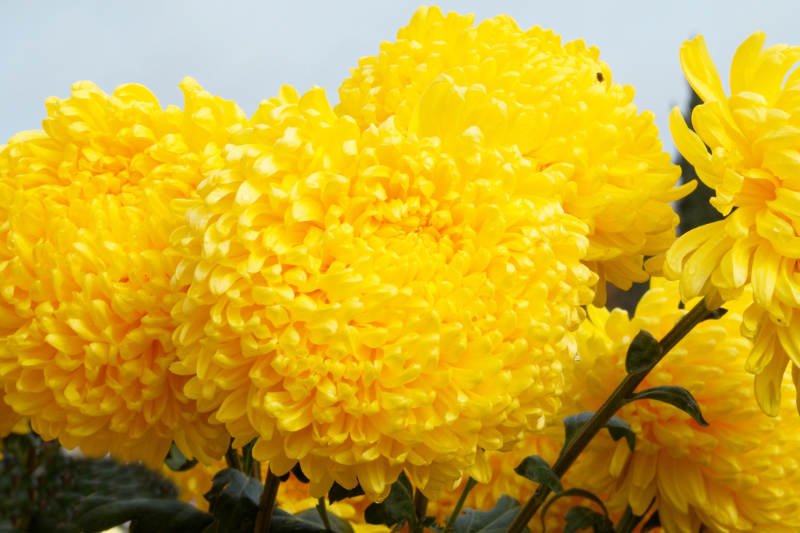
Chrysanthemums have long been regarded as a symbol of longevity and good health.
This belief originates from ancient Chinese stories, where the flower’s purity and its ability to bloom gracefully even in the cold made it a powerful emblem of vitality and long life.
The chrysanthemum was introduced to Japan during the Nara period, and by the Heian period it had become so cherished that court ceremonies were held to admire its beauty.
It was considered a noble and special flower.
Beyond symbolism, chrysanthemums have also been used as medicinal herbs in traditional remedies and herbal cuisine, and modern science suggests they contain components that may support health.
September is the season when chrysanthemums bloom at their best.
For this reason, the Chōyō Festival is also known as the Chrysanthemum Festival, a day when people decorate with chrysanthemums or enjoy items infused with their fragrance—such as chrysanthemum-scented cotton or chrysanthemum sake—to pray for health and longevity.
It is a tradition filled with a uniquely Japanese sense of beauty:
quietly welcoming the shift of seasons and drawing on the gentle strength of flowers to refresh the mind and body.
Kisewata: A Chrysanthemum Tradition
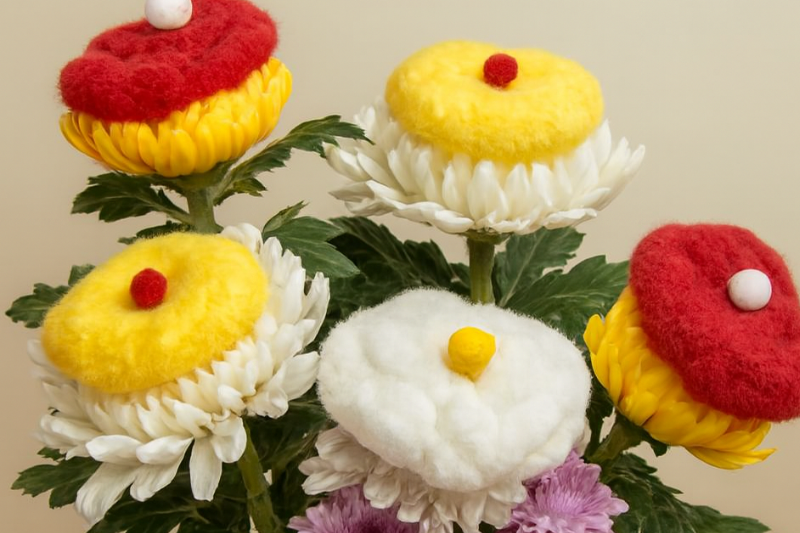
Kisewata is a beautiful custom unique to the Chōyō Festival, passed down since the Heian period.
On the night of September 8th, a piece of soft cotton is gently placed on blooming chrysanthemums.
During the night, the cotton absorbs the flower’s fragrance along with the dew that settles on the petals.
The next morning, people would softly wipe their face and body with this scented cotton, believing it would take in the chrysanthemum’s purity and bring rejuvenation and long life.
Because chrysanthemums have long been valued as flowers that ward off misfortune,
this practice also carried the meaning of cleansing and preparing oneself at the turn of the season.
Although it is rarely seen today, Kisewata remains a quiet and refined tradition—
a deeply Japanese way of sensing the beginning of autumn.
Kikuzake: Chrysanthemum Sake
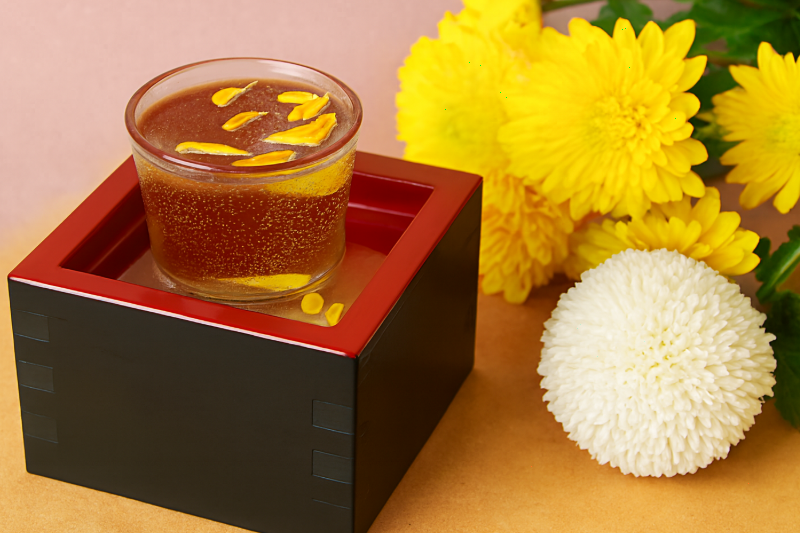
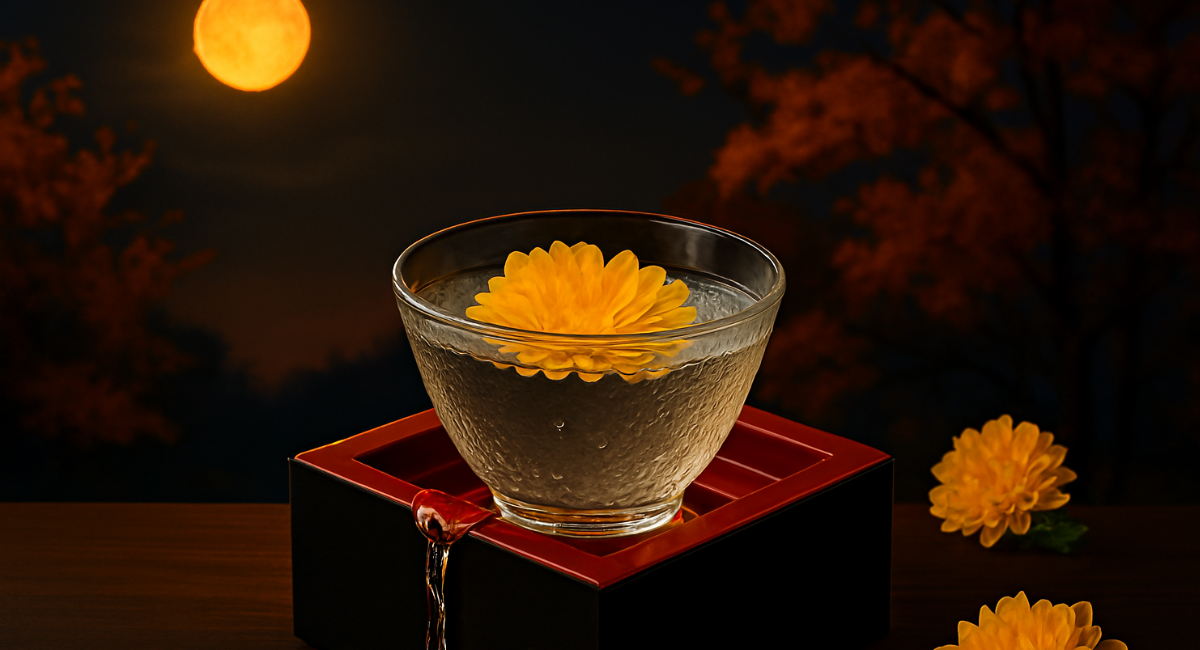
Kikuzake, sake served with chrysanthemum petals floating on top, is another tradition unique to the Chōyō Festival.
The fragrance of chrysanthemums is believed to ward off misfortune,
and drinking this sake at the turn of the season was thought to help cleanse and balance the body.
There are many ways to enjoy it—served in a wooden masu, in a chilled sake glass, or in other simple styles.
There is also a charming belief that sharing this drink with someone important to you,
while talking about your dreams or goals, makes those wishes more likely to come true.
I’ve heard that the finest version is called Kaga no Kikuzake, and I hope to try it someday.
Seasonal Foods for the Chōyō Festival
During the Chōyō Festival, it is customary to enjoy the flavors of autumn while giving thanks for the season’s harvest.
The day is even known as “the Chestnut Festival,” reflecting its deep connection with the bounty of early autumn.
Kurigohan
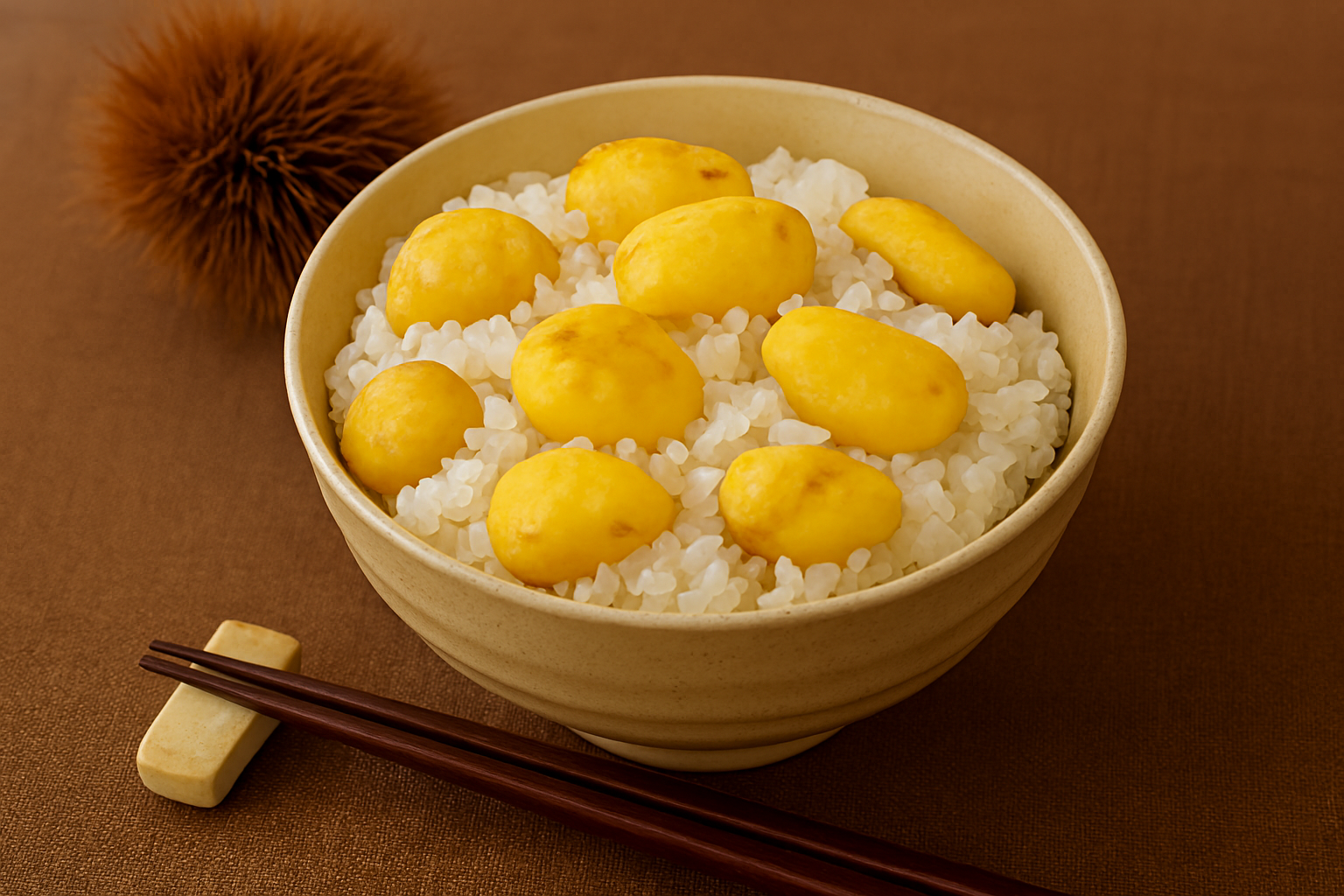
One of the most representative dishes is kurigohan, chestnut rice—a beloved taste of autumn.
The warm, tender chestnuts symbolize abundance and have long been eaten with wishes for health and longevity.
Their gentle sweetness pairs beautifully with lightly salted rice,
making this dish a special treat that can only be enjoyed during this season.
Seasonal Dishes Made with Autumn Ingredients
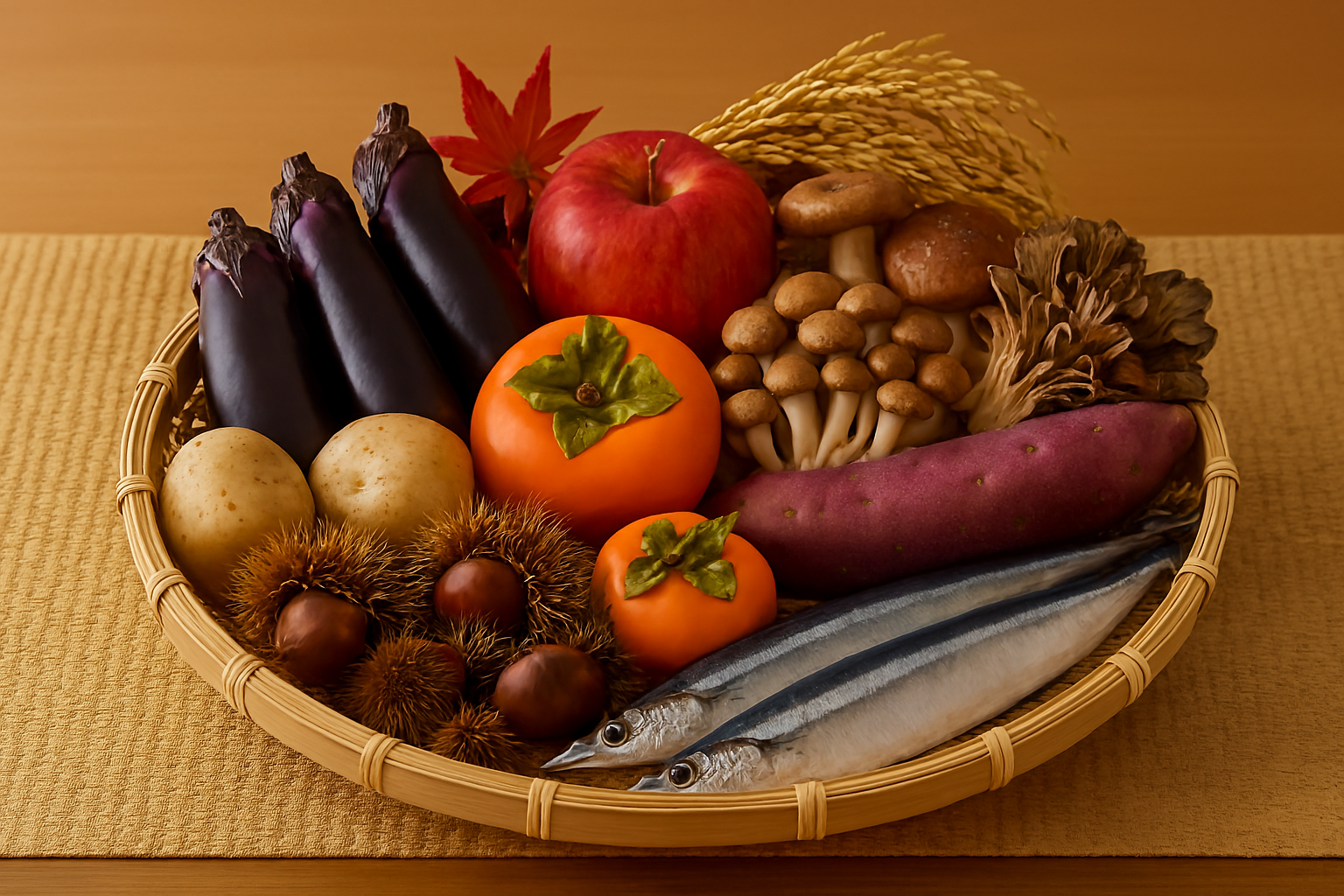
The Chōyō Festival is also a day to enjoy the blessings of autumn.
Families traditionally prepared dishes using seasonal ingredients such as chestnuts, chrysanthemums, sweet potatoes, mushrooms, Pacific saury, and freshly harvested rice.
In some regions, there is also a custom of eating dishes made with autumn eggplants.
Simple, comforting foods like nimono-style simmered eggplant or grilled eggplant often appear on the table during this season.
There are also charming wagashi inspired by kisewata, beautifully packaged in small boxes and enjoyed with tea.
Taking time to savor these seasonal flavors while appreciating the arrival of autumn— that quiet richness is one of the true charms of the Chōyō Festival.
Since autumn foods are my favorite,I always feel a little thrill when they start appearing in the shops.
How People Celebrate Chōyō Today
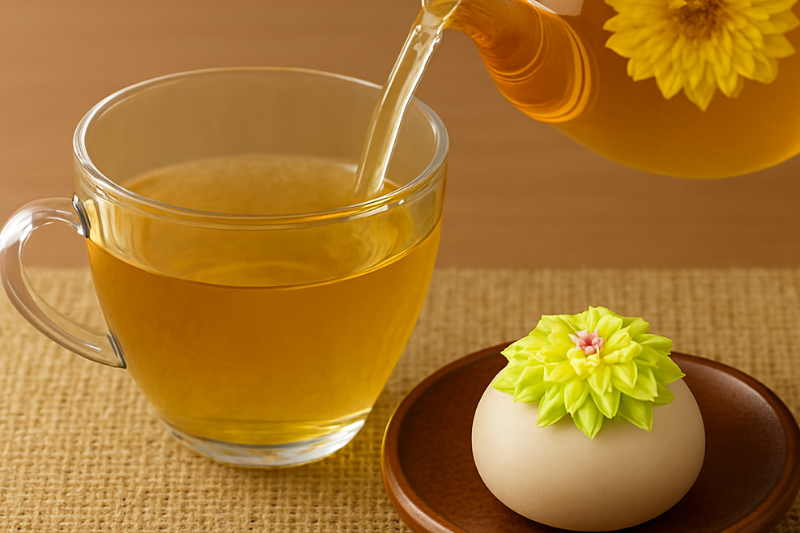
In modern times, the Chōyō Festival is no longer a national holiday, so fewer households celebrate it in a formal way.
Still, more people are beginning to enjoy it as a small tradition that marks the quiet beginning of autumn.
Some decorate their homes with chrysanthemums to appreciate the changing season,
while others take their time enjoying seasonal dishes such as chestnut rice or autumn eggplants.
Many people also create their own version of the old chrysanthemum sake tradition by enjoying non-alcoholic chrysanthemum tea instead.
Rather than treating it as a grand event, spending the day as “a quiet moment to savor the blessings of autumn” may be the way Chōyō fits naturally into our lives today.
Summary
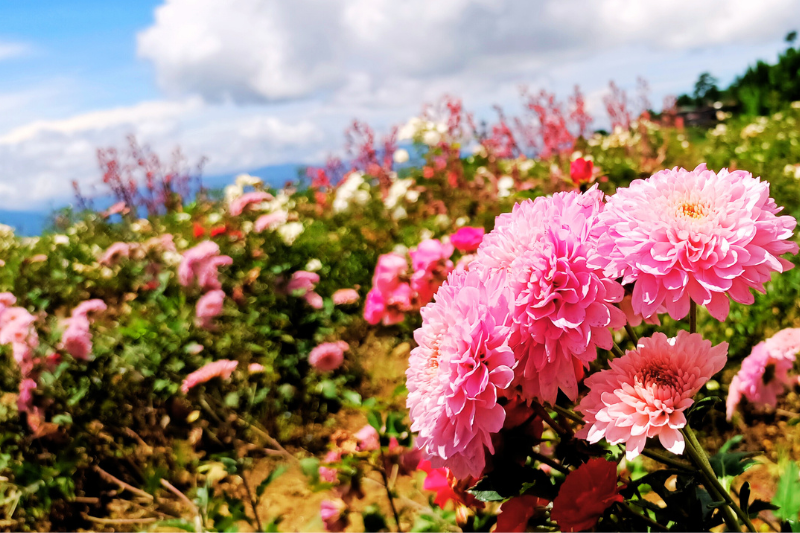
I actually learned about the Chōyō Festival only a few years ago.
Before that, I had no idea that September 9th held any special meaning.
I simply watched the season shift little by little toward autumn.
But once I discovered this tradition, I began preparing chrysanthemums, enjoying them with a drink, brewing chrysanthemum tea, and making a point to include seasonal foods in my meals.
By adding just one small custom to my day, I feel as though I can gently touch the Japanese sensibility of “noticing the seasons,” something people have cherished for centuries.
Bringing the Chōyō Festival into daily life allows us to savor the deepening of autumn and the gifts of nature more slowly, more fully.
Does your country have any traditions or customs that celebrate the arrival of autumn?
I would love to hear about them.
A plain hinoki wooden masu is a perfect match for Chōyō no Sekku, the Chrysanthemum Festival.
Its simple, unadorned design allows the gentle colors of the chrysanthemum to stand out, creating a quiet and elegant atmosphere for enjoying chrysanthemum sake.
(View on Amazon →https://amzn.to/4c54rU8 )


コメント