
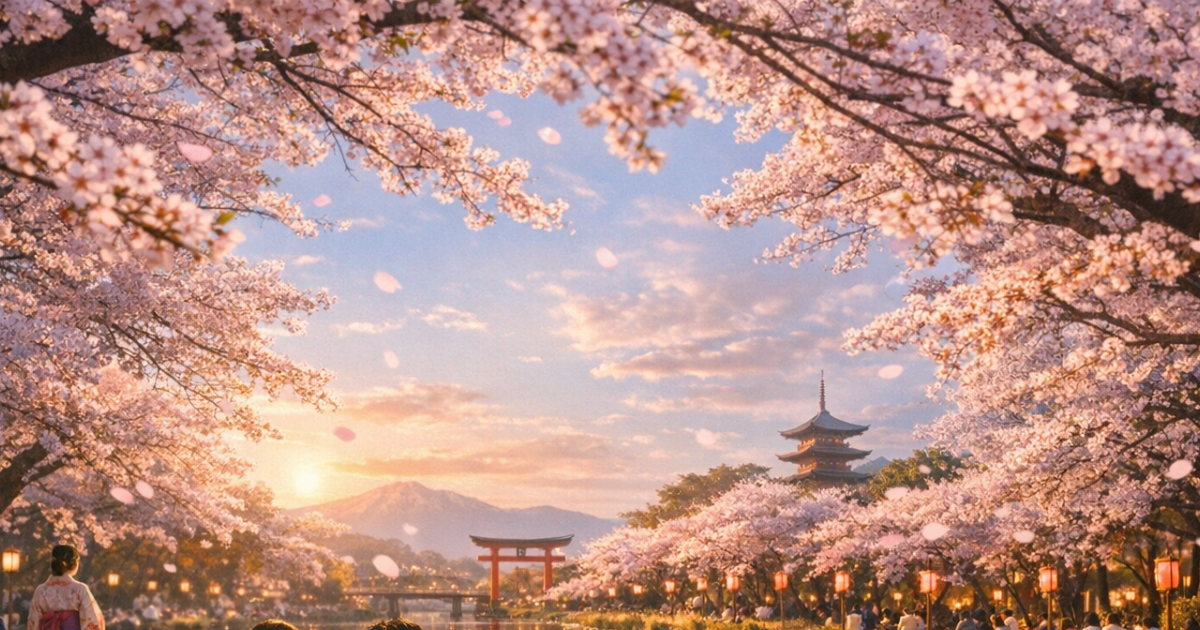
When spring arrives, mountains, parks, riverbanks, and even city streets are gently washed in soft seasonal colors.
The bright yellow of rapeseed blossoms, the tender light green of newly sprouted leaves, the shimmering reflections on the river, and the unique scent and breeze of early spring — each of these quietly signals the arrival of spring in Japan.
Among all these seasonal scenes, the one the Japanese cherish most deeply is the cherry blossom — sakura.
What is Hanami?
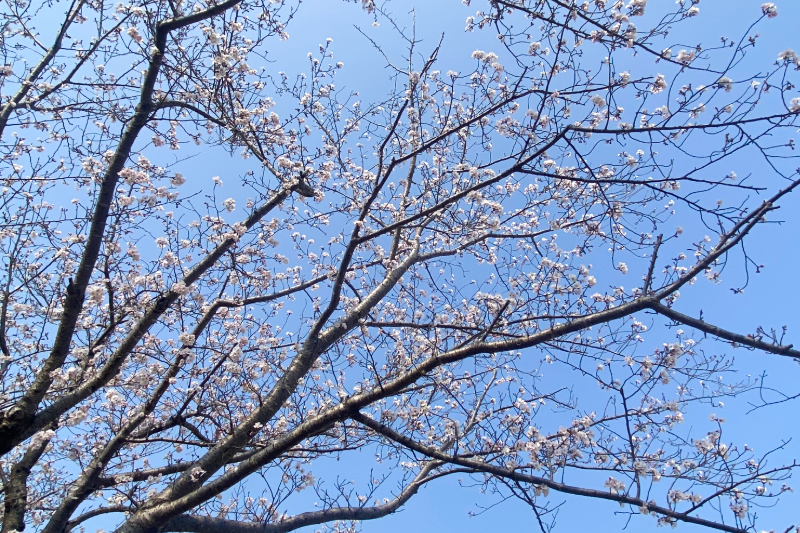
Hanami is a traditional Japanese custom of appreciating cherry blossoms and celebrating the arrival of spring.
Its history dates back to the Heian period (794–1185), when aristocrats gathered beneath the blossoms to compose poetry and enjoy the subtle changes of the season.
Today, hanami has become much more casual — a relaxed spring picnic under the cherry trees with family or friends.
In Japan, the blooming of cherry blossoms is considered a special seasonal signal.
Every year, national TV broadcasts the sakura forecast and full-bloom predictions, and people watch these updates while planning where they will go for hanami that year.
It is rare for a country to feature cherry blossom forecasts on the news — that is how deeply sakura is cherished in Japan.
And in Japan, you don’t need to visit famous spots to see cherry blossoms.
You can find them in schoolyards, shrine grounds, parks, along rivers, and lining quiet residential streets. Sakura naturally blends into everyday life.
Types of Cherry Blossoms
Japan is said to have more than 600 varieties of cherry blossoms, each with its own charm.
Here are some of the most well‑known types:
- Somei Yoshino — The most common variety. Pale pink petals that look like soft clouds when in full bloom.
- Shidarezakura (Weeping Cherry) — Elegant branches that cascade gracefully toward the ground.
- Yaezakura (Double‑Flowered Cherry) — Lush blossoms with many petals, known for their vibrant, deep pink color.
- Yamazakura (Mountain Cherry) — A wild variety found in the mountains, with leaves and flowers appearing at the same time, giving it a simple, natural beauty.
The timing of cherry blossoms differs slightly from place to place.
Spring begins in the south and slowly moves northward,
with sakura blooming in late March in Kyushu,
early April across most of Honshu,
and late April to early May in Hokkaido.
Higher-elevation areas bloom a little later,
so the season shifts gently with the landscape.
For travelers visiting Japan,
this means that cherry blossoms can be seen somewhere in the country
from late March through early May,
depending on the region and elevation.
What Do You Do at Hanami? (How People Actually Spend the Day)
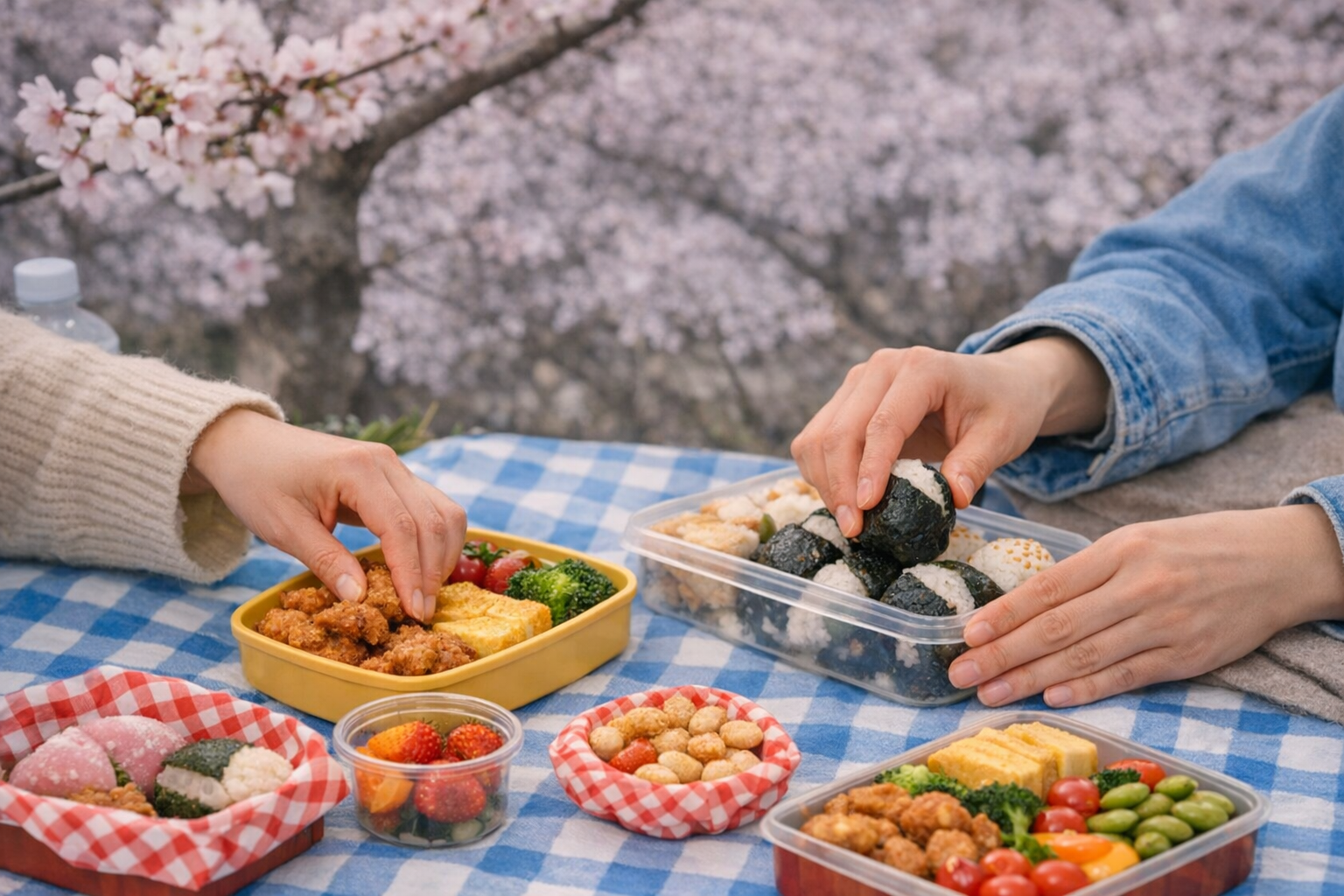
There are many different ways to enjoy hanami, and each person has their own style.
Here are some of the most common ways people spend their cherry blossom viewing time:
- Taking a walk through a nearby park and simply admiring the blossoms
- Bringing a homemade lunch and having a picnic with family
- Enjoying drinks with friends or coworkers while viewing yozakura (night blossoms)
- Strolling slowly and taking photos along the way
In my family, we like to pack a bento lunch and head to a slightly larger park for a picnic.
We spread out a leisure sheet and relax while watching the children play nearby — this slow, peaceful time under the blossoms is something I truly love.
A simple bento tastes like a feast when you’re surrounded by cherry trees in full bloom.
We usually leave in the morning, eat lunch beneath the blossoms, let the children play to their hearts’ content, and then head home in the early evening as the air grows a little cooler.
This gentle rhythm has become our family’s “classic” hanami style.
Night Hanami
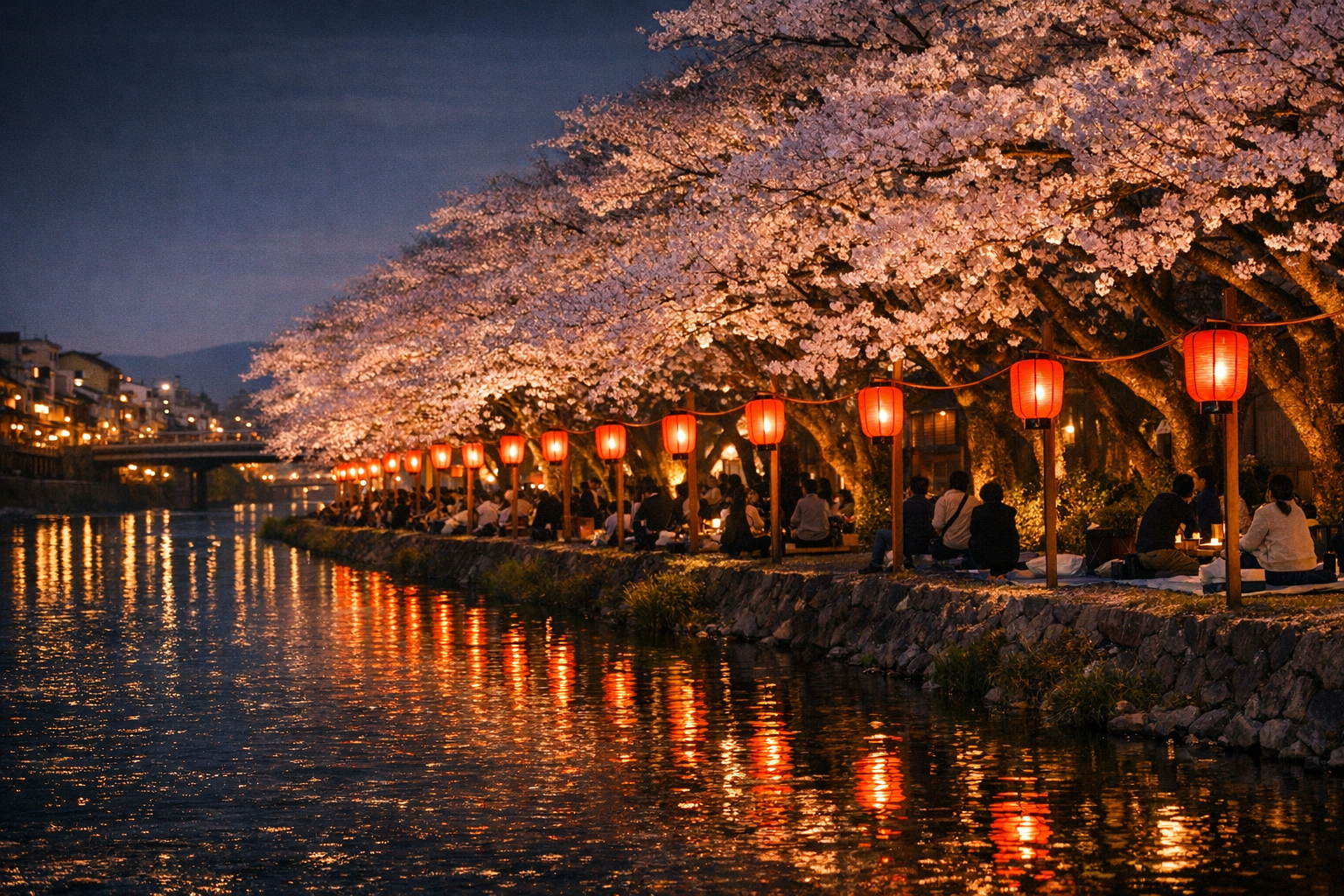
In Japan, cherry blossoms viewed at night are called yozakura.
At night, the blossoms take on a completely different expression from the daytime.
Illuminated trees, the warm glow of red lanterns, and the shimmering reflections on the river create a dreamlike, almost otherworldly atmosphere.
Spending a quiet moment beneath the blossoms at night is one of the most magical experiences of spring in Japan.
Every year, TV broadcasts scenes of people enjoying the night blossoms or gathering in parks at full bloom.
Watching those who arrive early to secure a good spot, or groups happily sharing drinks beneath the trees, I can’t help but feel, “Ah… spring has truly arrived again.”
Hanami Etiquette
When enjoying hanami in Japan, it’s helpful to keep a few simple manners in mind:
- Take your trash home (many parks do not have garbage bins)
- Be considerate when reserving a spot
- Do not break or touch the cherry branches
- Avoid making excessive noise
- Enjoy the evening hours quietly
All of these customs come from a shared feeling of wanting to cherish and protect the cherry blossoms.
There is also a gentle saying in Japan: “At night, the cherry trees go to sleep.”
Because of this, some people believe that making loud noise under the blossoms at night may “disturb” the trees, and that daytime hanami is kinder to the sakura.
This way of treating cherry blossoms not just as plants, but almost as living beings, reflects a uniquely Japanese sensitivity toward nature.
The Cherry Blossoms I Saw This Year
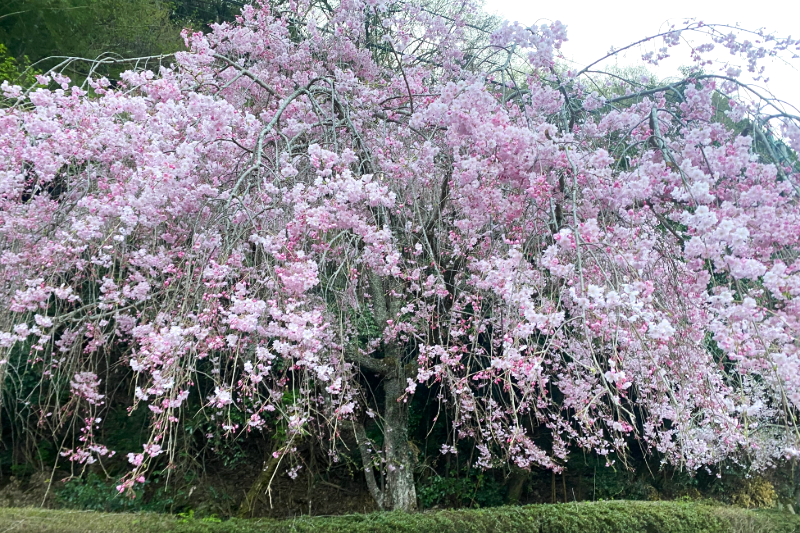
While driving through the mountains, I happened to come across an incredibly beautiful weeping cherry tree.
Its branches glowed softly in the spring light, and the sight was so breathtaking that I stopped the car to take a photo.
There was a quiet stillness in the air — as if time itself had begun to slow down.
Among all the scenes of this spring, this cherry tree moved me more deeply than any other.
Summary
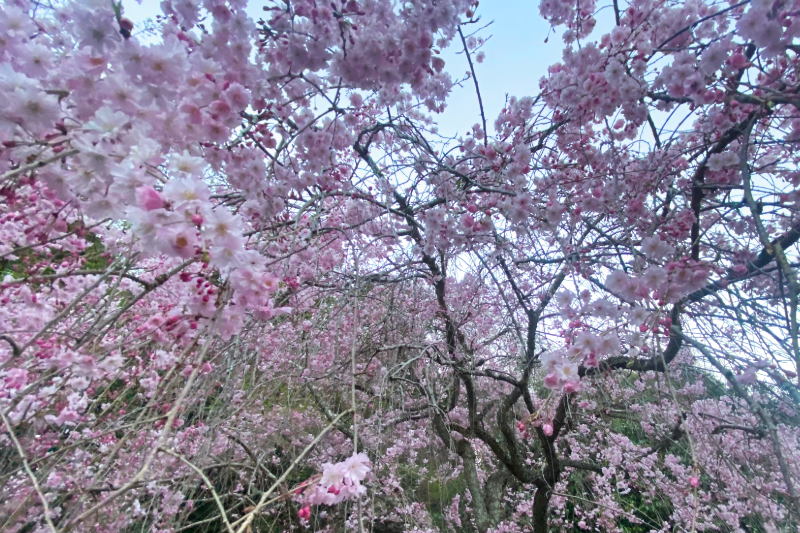
How was your journey through hanami?
I, too, love cherry blossoms deeply.
Cherry blossoms bloom and fall within just two short weeks.
Perhaps it is precisely because of this fleeting nature that we find them so breathtakingly beautiful.
After the petals fall, new green leaves appear almost immediately, quietly guiding the season toward the freshness of early summer.
To me, cherry blossoms are not only beautiful — they feel like gentle companions who watch over the changing seasons by our side.
In Japan, even the simple act of looking up at a cherry tree while walking through a park or along a familiar street is considered a meaningful moment of hanami.
The season of sakura is brief, but each moment leaves a lasting impression on the heart.
Does your country have traditions that celebrate spring or ways of appreciating seasonal flowers?
If you ever have the chance to visit Japan, I hope you’ll spend a quiet spring moment beneath the cherry blossoms.


コメント