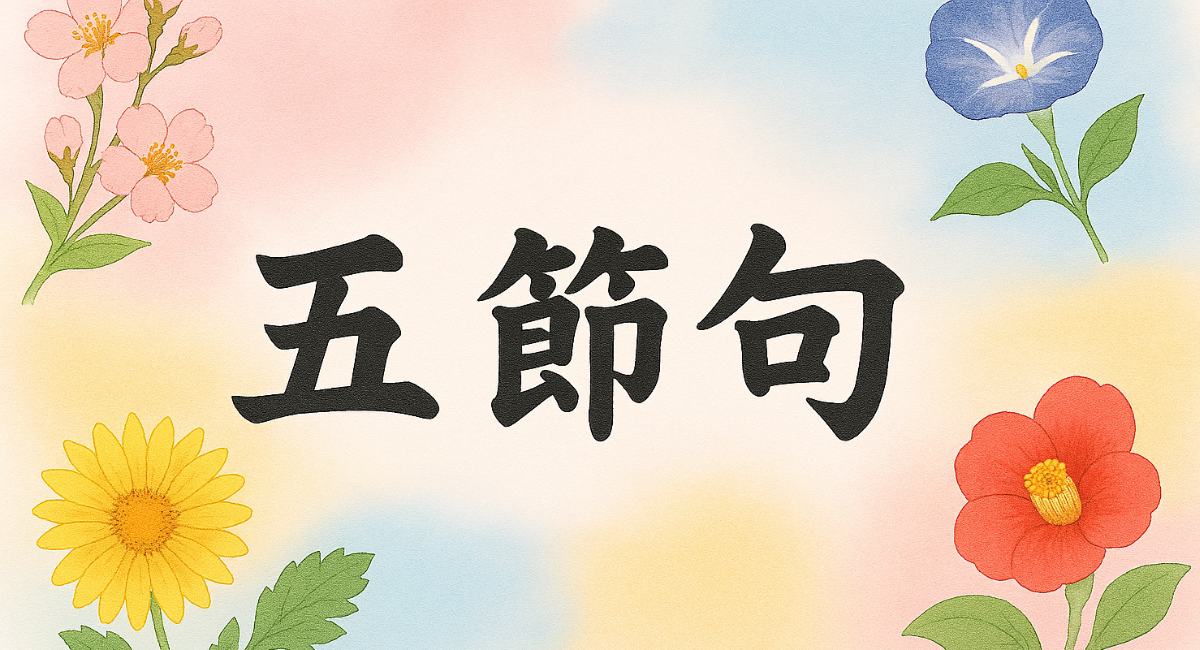
In Japan, there are five traditional seasonal festivals called Gosekku.
In this article, I’d like to briefly introduce each festival and share how it is celebrated.
What Are the Five Seasonal Festivals (Gosekku)?
Gosekku refers to five traditional seasonal events in Japan,each marking an important turning point in the year.
These festivals are held only five times, all on odd‑numbered months, as odd numbers have long been considered auspicious in Japanese culture.
Although the origins can be traced back to the ancient Chinese calendar, the customs gradually blended with Japanese life and traditions, eventually taking on the form we know today.
Each festival carries its own seasonal meaning and includes practices believed to bring good health and protection.
They offer gentle moments to feel the changing seasons, wish for the well‑being of loved ones, or quietly reflect on personal goals.
Through seasonal foods and decorations, these traditions continue to be enjoyed in everyday life.
Even though they are long‑standing customs, they are easy to incorporate into modern living and bring small moments of seasonal joy throughout the year.
January 7 – Jinjitsu (The Festival of Seven Herbs)
The first of the five seasonal festivals is Jinjitsu, celebrated on January 7.
It marks the beginning of the year and is a day to rest the body after enjoying New Year’s dishes such as osechi and mochi.
Following this tradition, many people today still use this day to give their bodies a gentle break after the rich meals and busy gatherings of the holiday season.
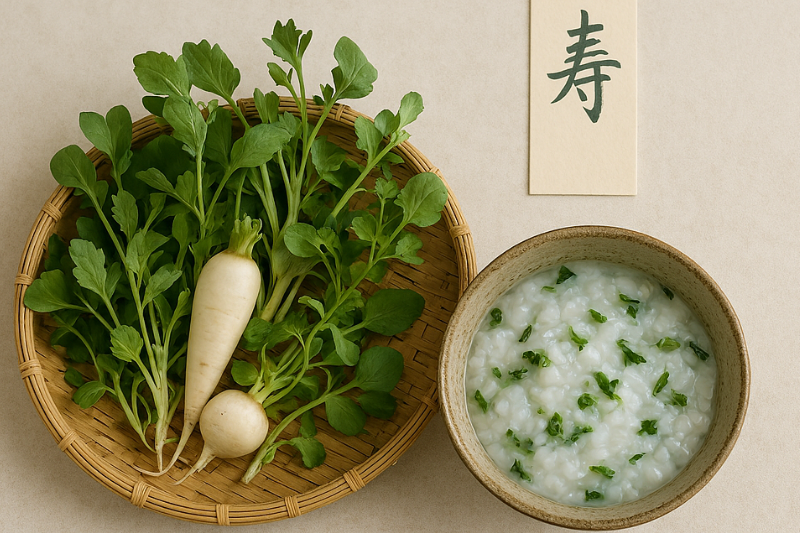
To help with this, people eat nanakusa-gayu, a simple rice porridge made to soothe the body.
Rice porridge is made by simmering rice in a lightly seasoned broth, making it easy to digest. Seven spring herbs—known as haru no nanakusa—are added to the porridge.
These herbs are seri (water dropwort), nazuna (shepherd’s purse), gogyō (cudweed), hakobera (chickweed), hotokenoza (henbit), suzuna (turnip), and suzushiro (daikon radish).
Around this time of year, supermarkets sell a “seven-herb set,” making it easy to prepare at home.
In my family as well, we make and enjoy nanakusa-gayu every year.
March 3 – Jōshi no Sekku (The Peach Festival)
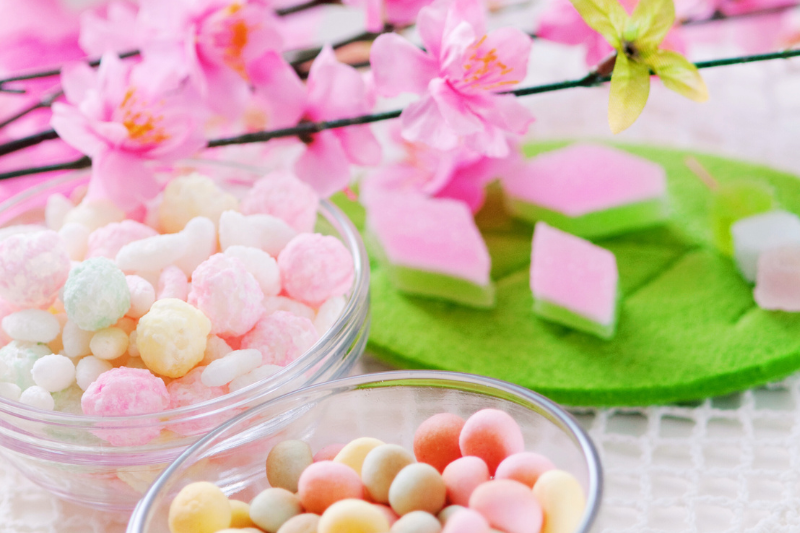
As the signs of spring begin to appear, the Peach Festival arrives on March 3.
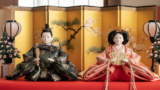
This day, known as Jōshi no Sekku, is a bright and festive celebration where families display hina dolls, decorate with peach blossoms, and enjoy sweet white sake while wishing for the healthy growth of children, especially girls.
The festival is also strongly connected to good relationships and meaningful connections.
It is considered a good time to appreciate the bonds you have formed, welcome new ones, or take steps toward the relationships you hope to build.
The soft colors and gentle decorations of spring bring a warm, seasonal feeling into the home.
In my family, I usually set up our hina dolls around mid‑February to welcome the coming of spring.
Learn more about the Peach Festival here.
May 5 – Tango no Sekku (Children’s Day)
Tango no Sekku is celebrated on May 5, when fresh greenery begins to deepen and early summer approaches.
It is a day to pray for the healthy growth and strength of children.
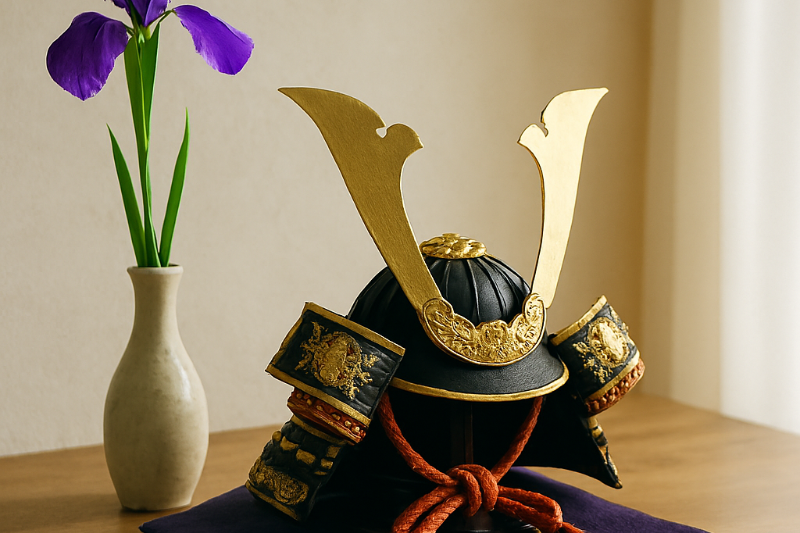
Families decorate their homes with carp streamers and samurai helmets, and enjoy traditional foods such as kashiwa‑mochi and chimaki.
This festival is also believed to bring good fortune in competitions or important challenges.
In this sense, “good fortune” can refer to things like successfully closing a business deal or achieving positive results in sales or negotiations.
Iris leaves also play an important role in this festival.
Since ancient times, irises have been believed to ward off misfortune, and people take shōbu‑yu —a warm bath with iris leaves—to protect their health and bring good luck.
Carp streamers, which symbolize strength and success, can be seen fluttering in the wind throughout towns and riversides during this season.
In my home as well, we have recently started adding iris leaves to the bath on this day.
Learn more about Children’s Day in Japan here.

July 7 – Tanabata (The Star Festival)
On July 7, the Star Festival, known as Tanabata, is celebrated.
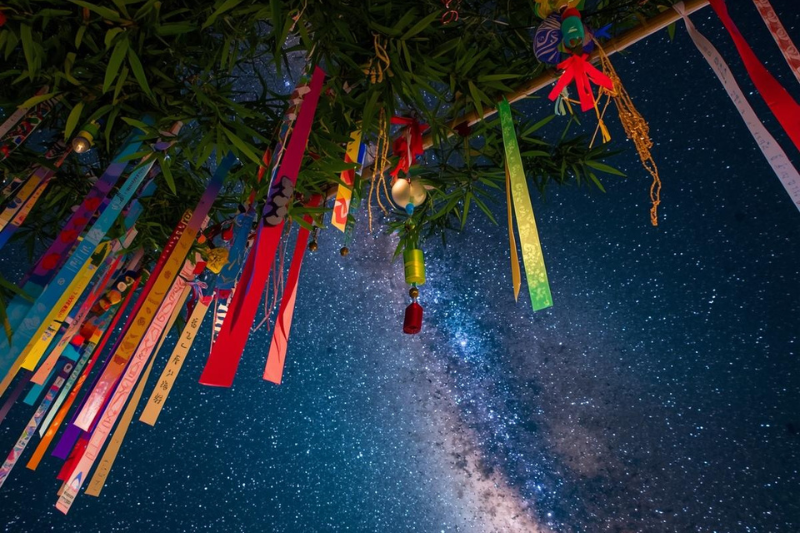
People write their wishes on colorful strips of paper called tanzaku and hang them on bamboo branches while thinking of the legend of Orihime and Hikoboshi.
Along with tanzaku, families also make and display various decorations such as stars, lanterns, and paper chains—each carrying its own meaning.
Somen noodles are eaten on this day, inspired by the Milky Way.
Making decorations with children and talking about our wishes is both fun and deeply precious.
Shopping streets and towns are beautifully decorated with streamers and many bamboo displays for Tanabata, creating a wonderfully festive atmosphere.
On clear nights, if you’re lucky, you may even be able to see the Milky Way shining in the sky.
Learn more about the Star Festival here.

September 9 – Chōyō no Sekku (The Chrysanthemum Festival)
As autumn deepens, the Chrysanthemum Festival—celebrated on September 9—arrives.
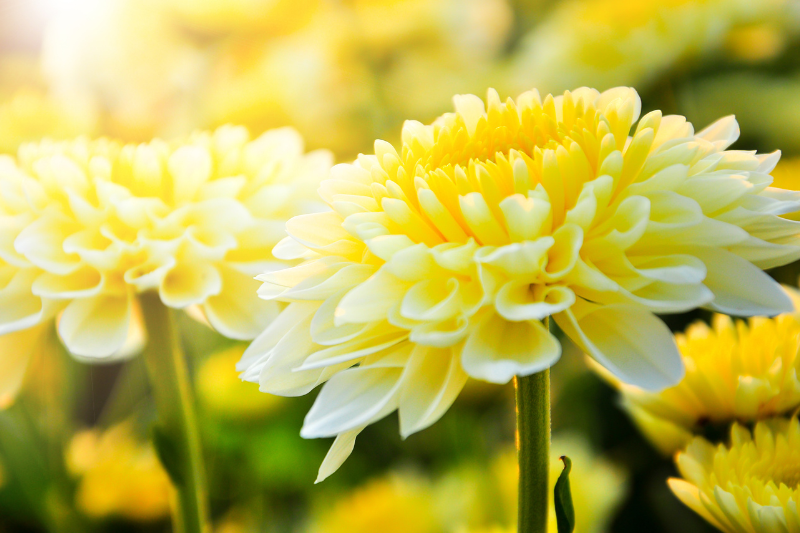
This day is known as Chōyō no Sekku, or the Festival of Chrysanthemums.
Chrysanthemums are one of the symbolic flowers of Japan.
Although this festival is not widely known today, it was once considered especially important.
It is a quiet celebration in which people admire chrysanthemums and pray for longevity and good health.
It is also said to be a meaningful day to reflect on your dreams and goals, or to share them with the people who are important to you.
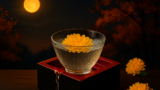
Another custom is to float edible chrysanthemum petals in sake, tea, or water and drink it for good fortune.
Sake with chrysanthemum petals floating on the surface has a beautiful, elegant charm.
Learn more about the Chrysanthemum Festival here.
Summary
The five seasonal festivals, or Gosekku, are gentle reminders of how closely Japanese life is connected to the changing seasons.
Each festival carries its own meaning, traditions, and wishes—from health and growth to good fortune, reflection, and appreciation for the people around us.
Even in modern life, these customs are easy to enjoy through simple foods, decorations, and small seasonal rituals.
By welcoming each festival, we can pause for a moment, feel the shift of the seasons, and bring a little more beauty and intention into our everyday routines.
What traditions are cherished in your hometown?

コメント