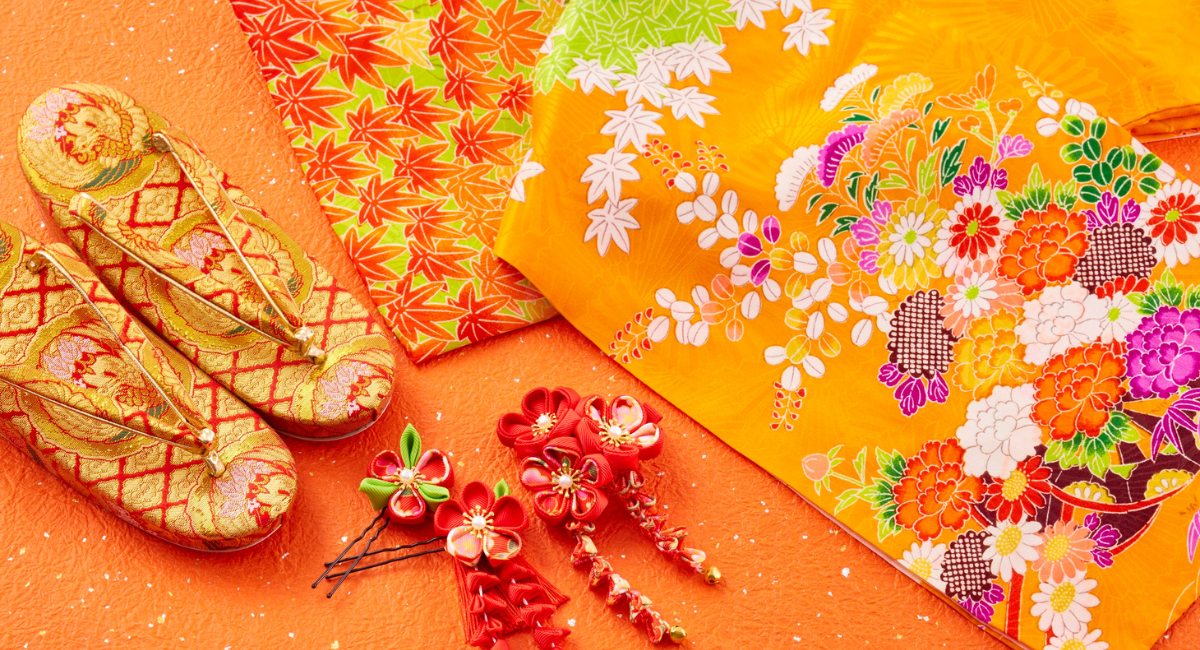
When people think of Japan, kimono often comes to mind.
Kimono have many rules regarding how to wear them and when they are appropriate.
They are always worn with an obi — a wide decorative sash that plays an important role in both style and formality.
A kimono cannot be worn on its own.
It requires an obi and several accessories to complete the outfit.
It also needs a foundation layer called a nagajuban, worn underneath the kimono.
Even today, kimono are enjoyed in many different situations.
What is Kimono?
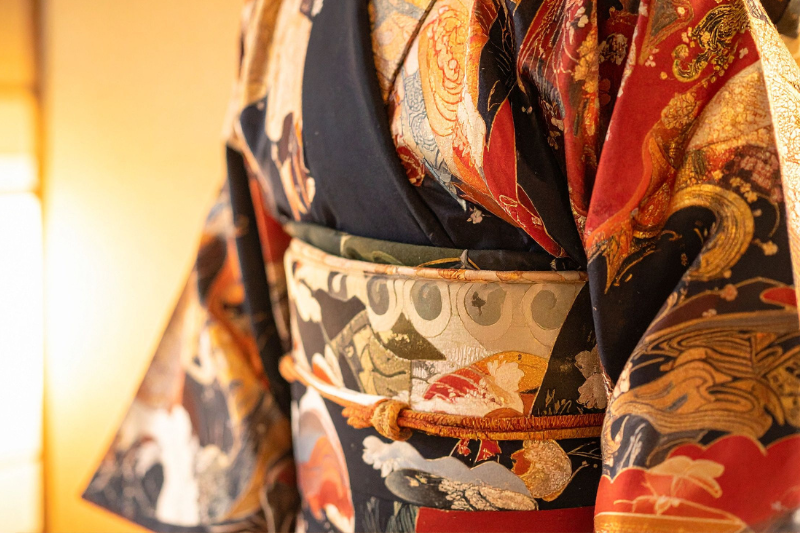
Kimono is a traditional Japanese garment made from straight pieces of fabric sewn together in a simple, structured way.
Instead of emphasizing the body’s shape, kimono expresses beauty through layers of fabric, color combinations, and overall balance.
In the past, kimono were everyday clothing for Japanese people.
Today, they are mostly worn on special occasions such as weddings, Coming-of-Age Day, and seasonal celebrations.
When choosing a kimono, factors such as color, pattern, season, formality level, and the appropriate situation (TPO) all play an important role.
Kimono is a garment filled with Japanese culture and aesthetic values.
Unlike Western clothing, kimono requires several accessories—such as the obi belt and decorative cords—to complete the outfit.
I will introduce these accessories in detail in another article.
Types of Kimono
Tomesode/ Homongi / Furisode – More formal styles
Tsukesage – Modest formal wear
Komon – Casual everyday kimono
Tsumugi – Stylish casual wear
Kasuri – Simple, rustic everyday wear
Yukata – Casual summer kimono, also used as loungewear in ryokan
When to Wear Kimono – TPO
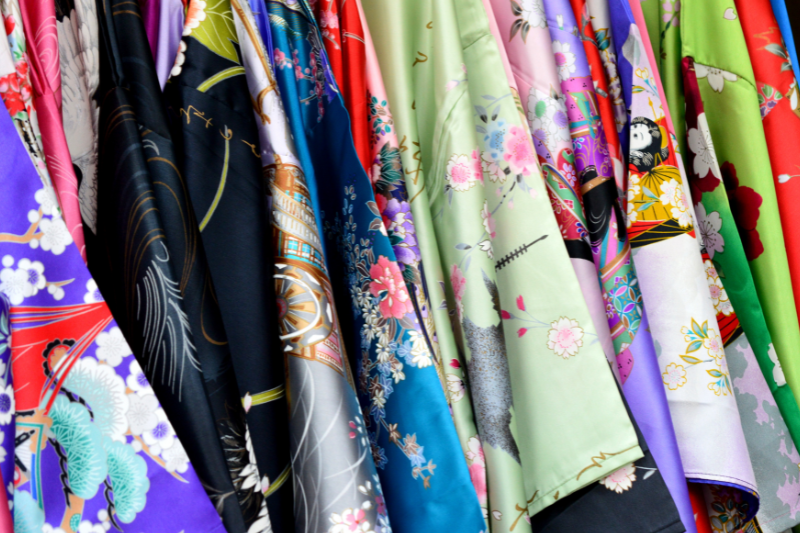
In modern Japan, kimono is enjoyed as a special outfit worn on important occasions.
The type and formality level of kimono changes depending on the situation.
Wedding Ceremony
One of the most formal occasions.
Married women wear kurotomesode, unmarried women wear furisode, and guests often choose homongi or irotomesode.
Coming-of-Age Ceremony
A celebration for turning 20.
Furisode, the most formal kimono for unmarried women, is the main style worn on this day.
Baby’s First Shrine Visit
A ceremony to pray for the baby’s healthy growth.
Mothers often wear homongi or tsukesage.
School Ceremonies
Important milestones for children.
Mothers typically choose modest homongi, tsukesage, or komon with family crests.
New Year’s Day
A festive day to celebrate the beginning of the year.
Brightly colored komon or homongi are commonly worn.
Summer Festivals& Fireworks
The season when yukata is most popular.
Light, casual, and perfect for staying cool in summer.
Hot Springs / Ryokan
Yukata provided by ryokan are worn as indoor loungewear.
They are different from yukata worn outdoors.
Kimono Formality
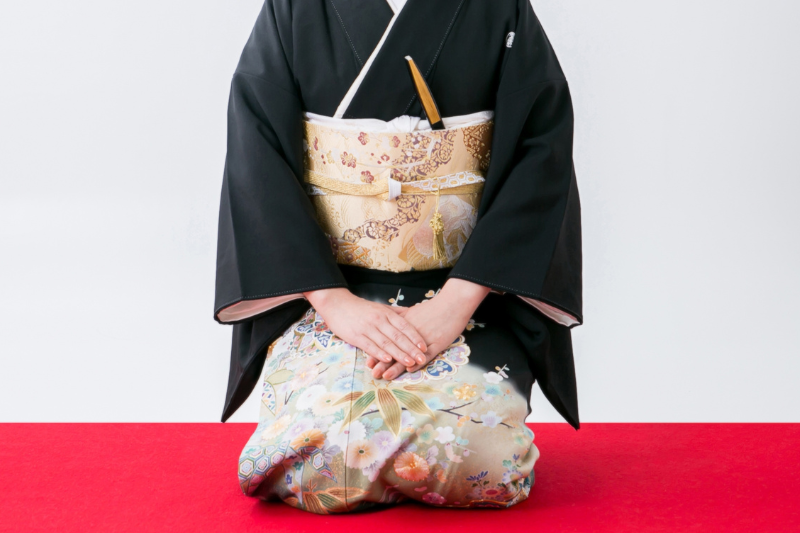
Kimono have different levels of formality.
The higher the level, the more suitable the kimono is for formal occasions.
【Highest Formality 】
- Kurotomesode The most formal kimono for married women.
Worn by close relatives at weddings.
【Formal】
- Irotomesode / Homongi Formal styles for married or unmarried women.
Suitable for weddings and ceremonies. - Furisode Formal kimono for unmarried women.
Worn at Coming-of-Age ceremonies and weddings.
【Semi-formal】
- Tsukesage / Komon with family crests Suitable for tea ceremonies, school
entrance ceremonies, and occasions where you want to dress modestly.
【Semi-formal to Casual】
- Hakama Often worn at university graduation ceremonies.
- Montsuki Hakama (Men) Formal attire for men.
Kimono and Seasons
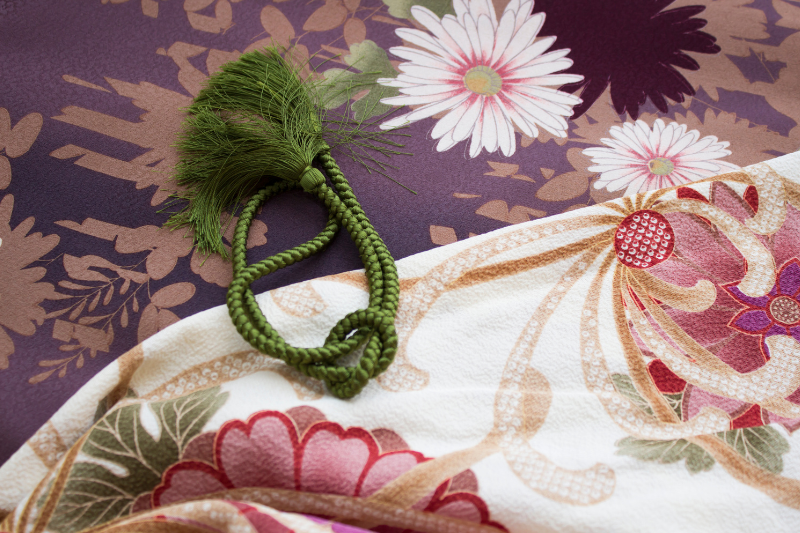
Japanese kimono is deeply connected to the changing seasons.
The materials, colors, and patterns shift throughout the year, allowing the wearer to
“carry the air and light of the season.”
Spring
Spring brings soft light and blooming flowers.
Gentle colors like pale cherry blossom pink and fresh green are often chosen.
- Material: Awase (lined kimono)
- Colors: Cherry blossom pink, light peach, fresh green, cream
- Patterns: Sakura, plum blossoms, butterflies, flowing water
- Mood: Soft, gentle, full of new beginnings
Spring kimono express the feeling of “winter turning into spring.”
Summer
Summer kimono focus on coolness and breathability.
Sheer fabrics such as ro, sha, and linen are commonly used.
- Material: Usumono (sheer fabrics like ro, sha, linen)
- Colors: Light blue, white, pale indigo, soft lavender
- Patterns: Morning glories, goldfish, waves, willow
- Mood: Light and airy, like a breeze passing through
Yukata is the most popular casual summer wear, often seen at festivals and fireworks displays.
Autumn
Autumn highlights deep, warm colors and calm patterns.
Seasonal motifs like maple leaves and chrysanthemums are common.
- Material: Awase (lined kimono)
- Colors: Deep green, burgundy, dark brown, mustard
- Patterns: Maple leaves, chrysanthemums, bush clover, pampas grass
- Mood: Quiet elegance, richness of the harvest season
Autumn kimono express a sense of “calm depth.”
Winter
Winter kimono feature warm materials and rich, dignified colors.
Tsumugi and wool are popular for their cozy texture.
- Material: Awase, tsumugi, wool
- Colors: Deep navy, charcoal, deep purple, pale gray-pink
- Patterns: Snowflakes, pine-bamboo-plum, camellia
- Mood: Crisp air with a quiet sense of beauty
Winter kimono express “silent beauty within the cold.”
Differences in Tailoring
Kimono tailoring also changes with the seasons.
- Awase (lined): Standard style for autumn, winter, and spring
- Hitoe (unlined): Light and comfortable for early summer and early autumn
- Usumono (ro, sha, linen): Sheer fabrics for midsummer, visually cool and breathable
These tailoring differences enhance the seasonal beauty of kimono.
Kimono Patterns
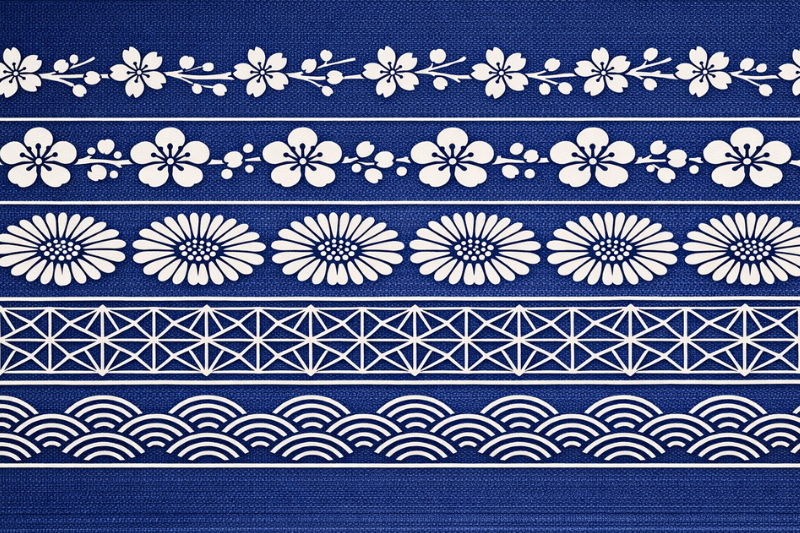
Kimono patterns often carry seasonal meanings and wishes for good fortune.
Here are some of the most common and symbolic motifs.
• Sakura (Cherry Blossoms): Symbol of spring and the beauty of transience.
• Ume (Plum Blossoms): Strength, endurance, and the ability to bloom even in winter.
• Kiku (Chrysanthemum): Longevity and elegance; associated with high status.
• Asanoha (Hemp Leaf): Protection from evil and wishes for healthy growth.
• Seigaiha (Blue Ocean Waves): Peace, harmony, and everlasting prosperity.
※ I will introduce more patterns in another article.
Kimono in Modern Japan
In the past, kimono was the everyday clothing of Japanese people.
The tailoring changed with the seasons, and kimono was worn naturally in both daily life and special events.
Today, as Western clothing has become the norm, kimono is often seen as a “special outfit” worn on important occasions.
It continues to be cherished at life milestones such as weddings (tomesode and furisode), Coming-of-Age ceremonies, baby’s first shrine visits, and school entrance or graduation ceremonies.
At the same time, the way people enjoy kimono has become more diverse in recent years:
- Kimono rentals at tourist destinations
- Young people incorporating vintage kimono into everyday fashion
- Casual styling that mixes kimono with Western clothing
- Kimono communities growing through social media
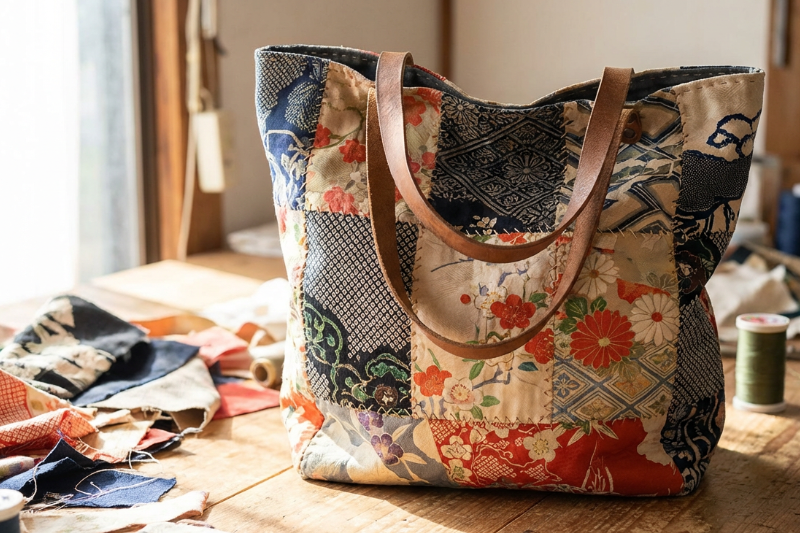
- Upcycling old kimono into dresses, bags, and accessories
Traditional kimono and fashion kimono now coexist, creating a new balance where kimono is both “something special” and “something to enjoy freely.”
Summary
How was it?
The world of kimono becomes deeper and more fascinating the more you learn—its types, TPO, seasonal styles, and countless ways to enjoy it.
With different combinations of obi and accessories, kimono offers endless possibilities for styling.
Recently, more people have also begun mixing kimono with Western clothing or giving old kimono new life through remaking.
I learned how to wear kimono at a kimono school, so I can dress myself, but I don’t have many chances to wear it in daily life.
Even so, I often feel that the calm, graceful movements involved in dressing kimono connect to small moments in everyday life.
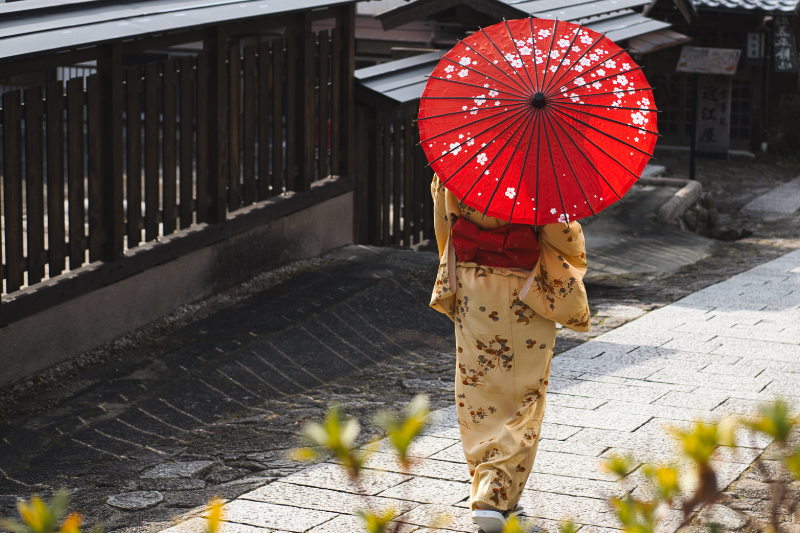
More tourist destinations now offer kimono rentals for strolling around town.
If you visit Japan and feel like trying on a kimono, please feel free to reach out.
You may discover a new side of Japan that you’ve never experienced before.
Reference Video: How to Wear Kimono
This video shows the basic flow of kimono dressing, from the foundation layer to the obi.
Even though the explanation is in Japanese, the steps are slow and easy to follow, making it helpful for beginners who want to understand how kimono is worn in practice.
コメント