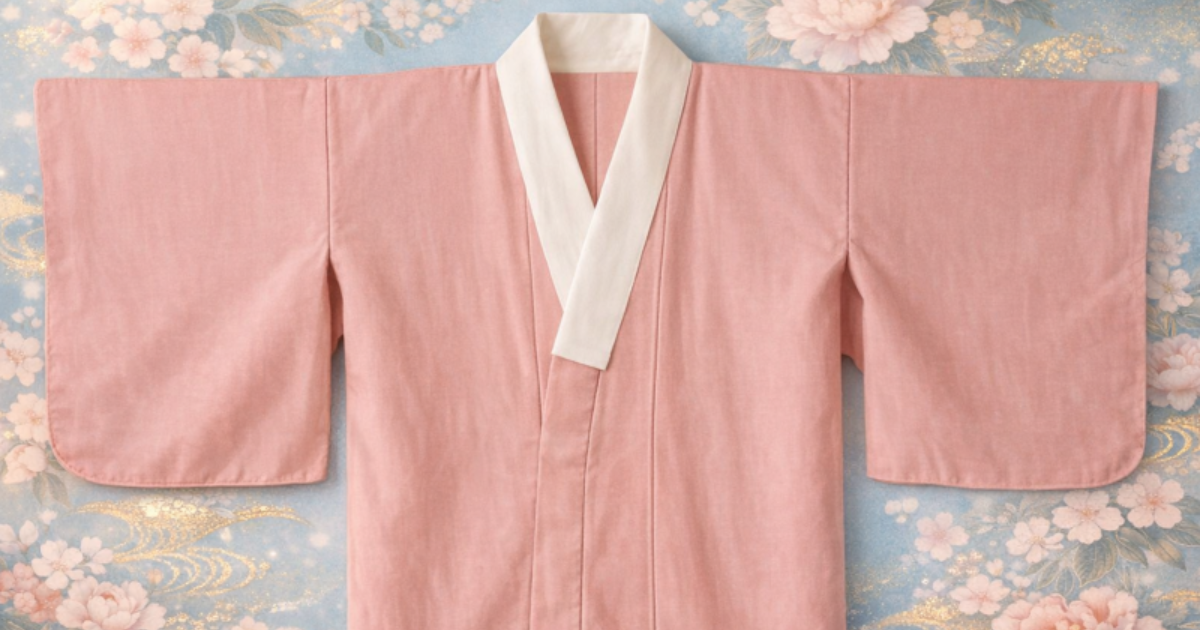
When wearing a kimono, many people assume that all you need is the kimono and the obi.
In reality, several undergarments and accessories are essential for achieving a beautiful and polished look.
Among these items, the nagajuban is especially important.
Kimono and yukata are often confused, but unlike kimono, a yukata is usually worn without a nagajuban.
The nagajuban is what supports the elegance and structure unique to kimono dressing.
If you want to learn more about the basics of kimono, I explain them in detail in this article.
What Is a Nagajuban?
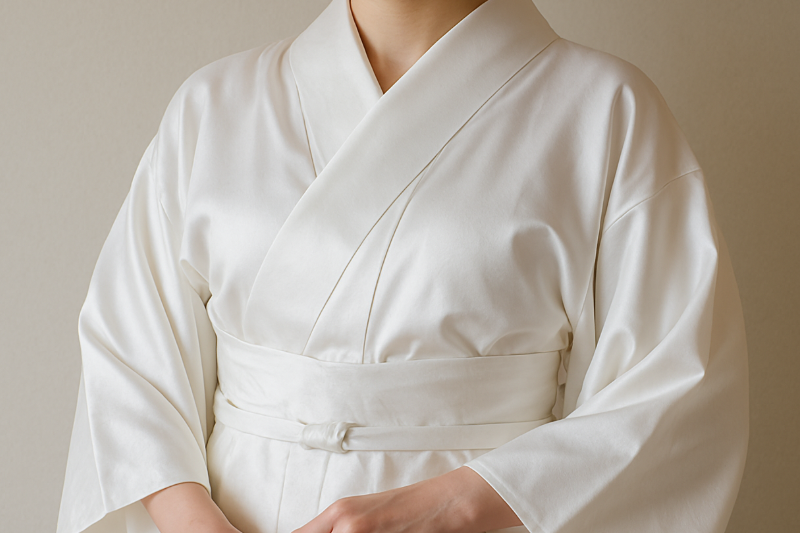
A nagajuban is a long undergarment worn beneath the kimono, and it forms the essential foundation of the entire outfit.
Its main roles are to absorb sweat and protect the kimono, to keep the neckline in place, and to create a smooth, elegant silhouette under the outer layers.
Because many kimono fabrics cannot be washed easily, the nagajuban serves as an indispensable “protective layer.”
Under the nagajuban, a thin slip-like garment called a hadajuban is worn.
This adds comfort against the skin and absorbs additional moisture, making the kimono more pleasant to wear.
Nagajuban also come with a removable haneri collar.
By changing the color or pattern of the haneri according to the season or personal preference, you can subtly transform the impression of the neckline.
Why the Nagajuban Is Essential
The nagajuban has long been an indispensable part of kimono dressing, serving as the “unseen foundation” that ensures the kimono looks its best.
Its purpose goes far beyond simply absorbing sweat.
It plays a deeper role in supporting the structure, elegance, and cultural aesthetics of the kimono itself.
Japanese etiquette: keeping outer garments from touching the skin
In Japan, allowing an outer garment to touch the skin directly has long been considered improper and unhygienic.
By wearing a nagajuban underneath, the kimono stays clean and maintains a neat, refined appearance.
This cultural value of “layering” garments can be traced back to the Heian period and reflects a traditional sense of beauty.
Protecting delicate silk kimono
Historically, most kimono were made of silk and could not be washed at home.
In Japan’s humid climate, sweat and moisture were the greatest enemies of these garments.
Without a nagajuban, a kimono would quickly deteriorate.
The nagajuban developed as a protective layer that allowed people to preserve their kimono for many years.
Supporting the structure of the kimono
Because kimono are cut from straight pieces of fabric, they do not naturally fit the body’s curves.
The nagajuban creates a smooth layer between the body and the kimono, allowing the outer garment to glide rather than cling.
This makes movements—especially around the neckline and sleeves—look graceful and controlled.
The presence or absence of a nagajuban dramatically changes the overall silhouette.
Adjusting comfort throughout the seasons
Nagajuban come in different weaves and materials depending on the season—ro or linen for summer, warmer fabrics for winter.
By pairing the nagajuban with a hadajuban, wearers can regulate temperature and humidity, making kimono comfortable year‑round.
Those who wear kimono regularly especially appreciate how essential the nagajuban is for daily comfort.
Types of Nagajuban
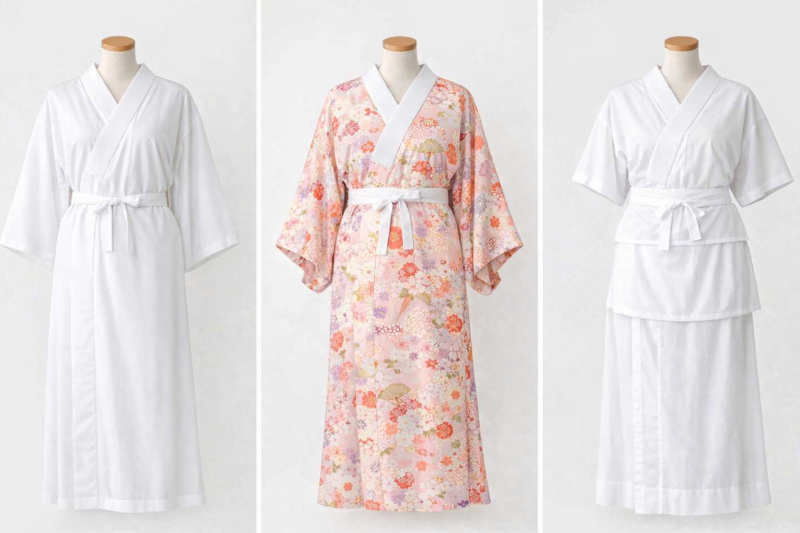
There are several types of nagajuban, and the best choice depends on the occasion, the season, and your level of experience with kimono dressing.
Understanding the differences in shape and construction makes it much easier to choose the style that suits you best.
Nagajuban
This is the most common type of nagajuban, a full-length undergarment that covers the entire body just like a kimono.
Because the sleeve length and overall proportions are designed to match the kimono, it moves beautifully and works well for both formal and casual occasions.
Another advantage is that you can change the removable haneri collar to reflect the season or your personal style.
Han‑juban (Half Nagajuban)
A han‑juban is a type of nagajuban that covers only the upper half of the body.
The sleeves and torso are shaped like a regular nagajuban, but the length is short, and it is worn together with a susoyoke skirt for the lower body.
Because it is lightweight and easy to move in, it is ideal for warm weather and for casual kimono.
Although yukata are generally worn without any undergarment, some people choose to wear a han‑juban and susoyoke underneath as a way to manage sweat.
Han‑juban are also commonly used in traditional Japanese dance, where ease of movement is especially important.
Two‑piece nagajuban (Usotsuki‑juban)
When a han‑juban and susoyoke are worn together in a coordinated set that looks like a full nagajuban, it is called an usotsuki‑juban (“cheater’s nagajuban”).
This two‑piece style is easier to put on than a full nagajuban and is much simpler to wash.
Because of these advantages, it is popular among beginners and those who wear kimono as everyday clothing.
Patterned Nagajuban (Eri-sugata with Designs)
Some nagajuban feature subtle patterns that may peek out from the sleeves or hem.
These designs are not meant to be fully visible, but they add a quiet, playful elegance to the outfit.
One‑touch Nagajuban
The one‑touch nagajuban is designed to be especially easy for beginners to use.
The collar is often pre‑sewn, and the garment can be fastened quickly with ties or Velcro, making it simple to put on.
Because the neckline stays neat and takes very little time to prepare, it is a popular choice for people who want to enjoy kimono in their daily life.
Summer Nagajuban (Ro and Sha Weaves)
Summer nagajuban are made with highly breathable materials such as ro (a sheer, open-weave fabric) or linen.
These fabrics allow air to pass through easily, preventing discomfort even in Japan’s humid summer months and giving the overall outfit a light, airy appearance.
They are typically worn with summer kimono or other lightweight garments known as usumono.
Differences in Materials

Nagajuban come in several different materials, and the best choice depends on the season and how you plan to wear your kimono.
Understanding the characteristics of each fabric makes a big difference in comfort, appearance, and how easy the garment is to care for.
Silk (Shōken)
Silk is a luxurious material with a natural sheen and a soft drape that follows the contours of the body beautifully.
It is breathable and releases moisture well, making it comfortable to wear throughout the year.
While its appearance is exceptional, silk is delicate and cannot be washed at home, so it requires careful handling.
Cleaning should be entrusted to a professional kimono care specialist (shikkaiya).
Silk nagajuban are suitable for formal occasions and are a reassuring item to have in your wardrobe.
Polyester
Polyester is durable, wrinkle‑resistant, and easy to wash at home, making it a very practical choice.
It is especially popular among beginners and those who enjoy wearing kimono in everyday life.
Although it can feel slightly warm and less breathable than silk, its affordability and low‑maintenance care make it an appealing option.
I also use polyester nagajuban often.
Cotton (Momen)
Cotton has a soft texture and excellent moisture absorption, making it suitable for casual kimono and everyday wear.
It is easy to wash and comfortable in any season, though it does not have the same sheen or elegant drape as silk.
Linen (Asa)
Linen offers exceptional breathability and is ideal for summer.
It dries quickly even when you sweat and maintains a cool, crisp feel against the skin.
Although it wrinkles easily, it is perfect for those who prioritize staying cool during hot weather.
Summer Weaves: Ro and Sha
Ro and sha are sheer, airy fabrics used specifically for summer nagajuban.
Their translucent appearance creates a visually refreshing look.
These materials are worn with summer kimono (usumono) and are designed to keep the wearer comfortable even in Japan’s humid summer climate.
About the Haneri

A piece of fabric called the haneri is sewn onto the collar of the nagajuban.
Because it can be removed and replaced, the haneri is changed according to the season, the occasion, or personal preference.
- White haneri are used for formal situations.
- Embroidered or colored haneri are considered casual.
- Lace haneri have a modern look and are especially popular today.
Sewing on a haneri only requires simple running stitches, and in recent years, adhesive types that you can simply stick on have also become available.
If you want the collar to stand neatly, you can insert an erishin (collar stiffener) inside the haneri.
It helps maintain a crisp neckline and is considered essential in most kimono dressing classes.
Choosing a Nagajuban by Season
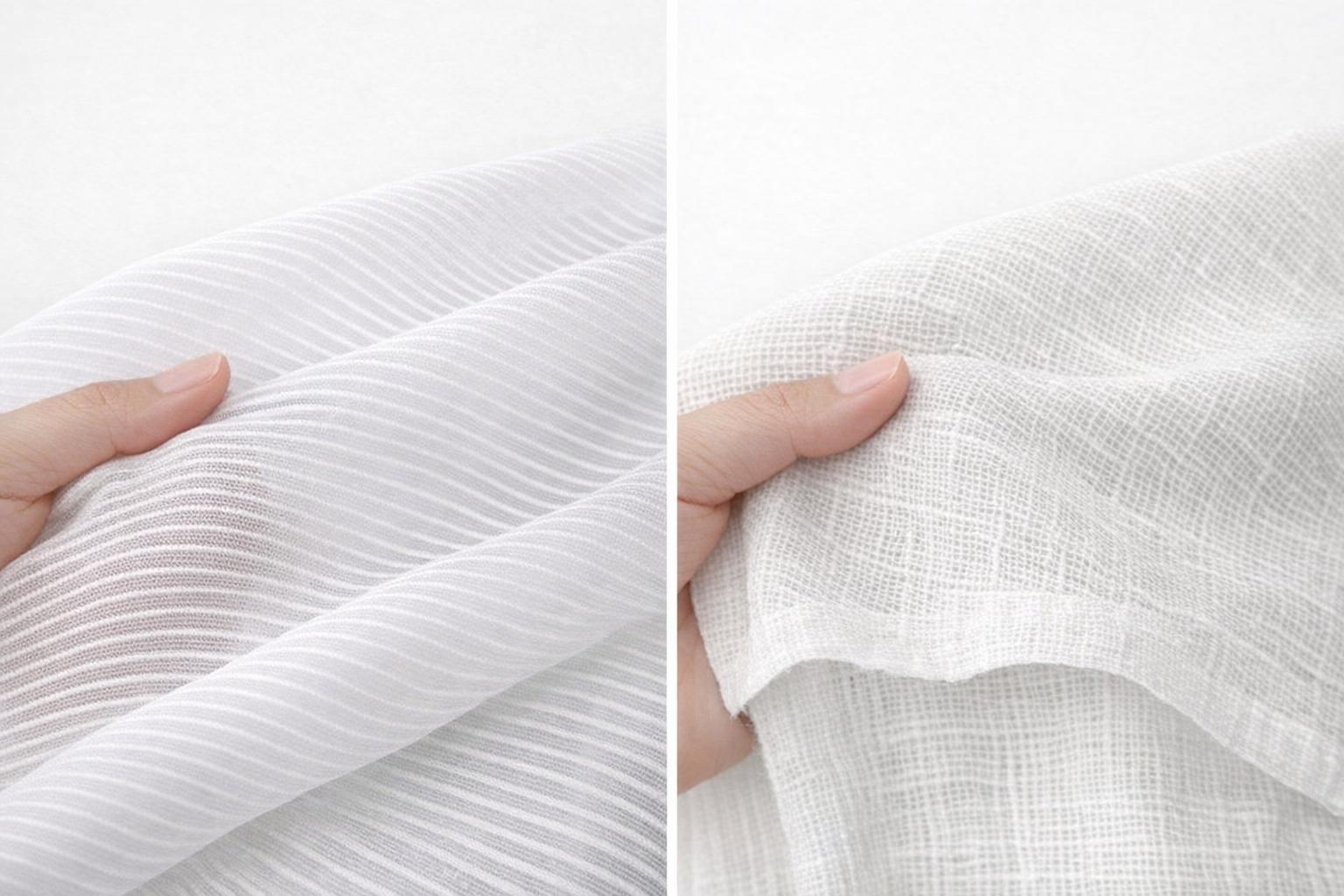
Nagajuban can be selected according to the season, allowing you to enjoy wearing kimono comfortably throughout the year.
Because Japan has significant changes in temperature and humidity, choosing a season‑appropriate nagajuban greatly improves comfort.
Spring and Autumn (Mild Seasons)
During these stable, comfortable seasons, standard materials such as silk or polyester work well.
In early spring, when humidity begins to rise, breathable fabrics feel more comfortable, while in autumn, slightly warmer materials provide reassurance.
If you are unsure, an “all‑season” nagajuban is a convenient choice for both spring and autumn.
Summer (Hot and Humid Season)
For summer, breathable materials such as ro, sha, or linen are ideal.
These fabrics are thin, lightweight, and allow air to flow easily, helping prevent discomfort from heat and humidity.
Linen dries quickly and does not cling even when you sweat.
When paired with summer kimono or other lightweight garments, these materials also create a visually cool and refreshing appearance.
Winter (Cold Season)
In winter, silk or slightly thicker materials are suitable.
Silk retains warmth and drapes closely to the body, helping to keep you comfortable.
If you tend to feel cold, wearing a thicker hadajuban or adding a warm inner layer can make a big difference.
Since none of these layers are visible from the outside, winter is a season when you can easily adjust warmth from the inside.
Tailoring Tips
Even though the nagajuban is worn beneath the kimono, its size and tailoring have a noticeable impact on how the kimono looks.
The sleeve length and the neckline are especially important for maintaining proper balance with the outer garment.
Today, many ready‑made nagajuban come in a wide range of sizes, and for everyday wear, these are usually more than sufficient to achieve a neat appearance.
For formal occasions or when you want a more refined fit, having a nagajuban tailored to your measurements creates a beautifully polished silhouette.
I personally have my formal nagajuban custom‑made to fit my body, while I use ready‑made ones for casual or fashion‑focused outfits.
Modern Ways to Enjoy the Nagajuban
Although the nagajuban is traditionally considered an “unseen layer,” many people today enjoy using it as a way to expand their kimono styling options.
- Expressing seasonality and personality with the haneri
Not only plain white, but also embroidered, colored, and lace haneri are popular for adding a touch of individuality.
Since only the collar is visible, it is an easy and approachable way for beginners to experiment with style. - Enjoying hidden elegance with patterned nagajuban
Patterned nagajuban that peek out subtly from the sleeves or hem offer a quiet kind of fashion enjoyment for kimono lovers.
Modern designs, retro motifs, and playful patterns allow for personal expression in a discreet way. - Making kimono more accessible with one‑touch nagajuban
Types with pre‑sewn collars that stay neatly in place are perfect for busy days or beginners.
They make wearing kimono feel more casual and approachable in everyday life. - New materials inspired by modern clothing
Contemporary designs such as lace‑sleeved nagajuban or those made with stretch fabrics are becoming more common.
These modern materials blend comfort with style, offering new ways to enjoy kimono in daily life.
Summary
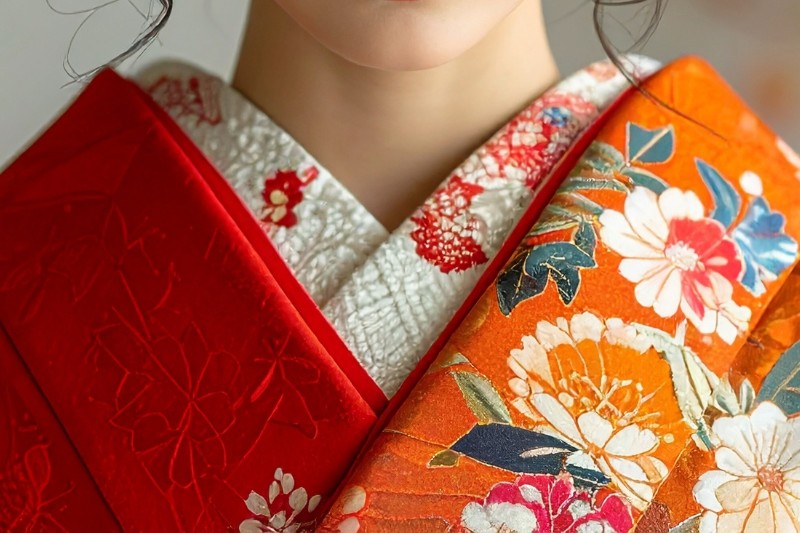
Many people are unaware that wearing a nagajuban is essential when dressing in kimono.
In reality, the nagajuban is the “unseen star” that makes the entire outfit look beautiful.
It absorbs sweat to protect the kimono, keeps the neckline neat, and supports the graceful movement that kimono is known for.
Choosing the right material for each season greatly improves comfort, and understanding how the nagajuban works opens up a much deeper appreciation of the kimono world.
Your silhouette becomes more refined, and the experience of wearing kimono becomes even more enjoyable.
I hope this guide helps deepen your understanding of kimono, even just a little.
コメント