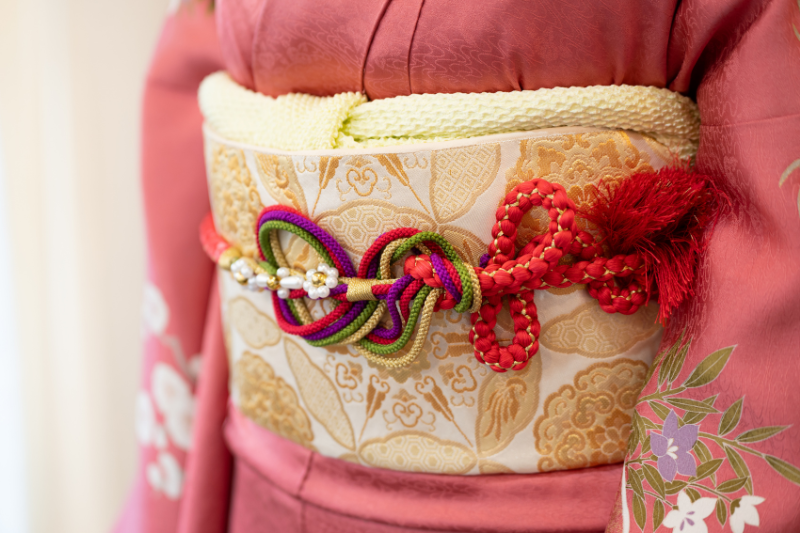
A kimono is always worn together with an obi.
The obi is not just a belt to keep the kimono in place—it is an essential element that defines the overall impression and formality of the outfit.
The atmosphere changes dramatically depending on the material, width, pattern, and the way the obi is tied.
Even with the same kimono, simply changing the obi can create an entirely different look.
In this depth and subtlety, you can feel a uniquely Japanese sense of beauty.
What Is an Obi?(Obi Basics)
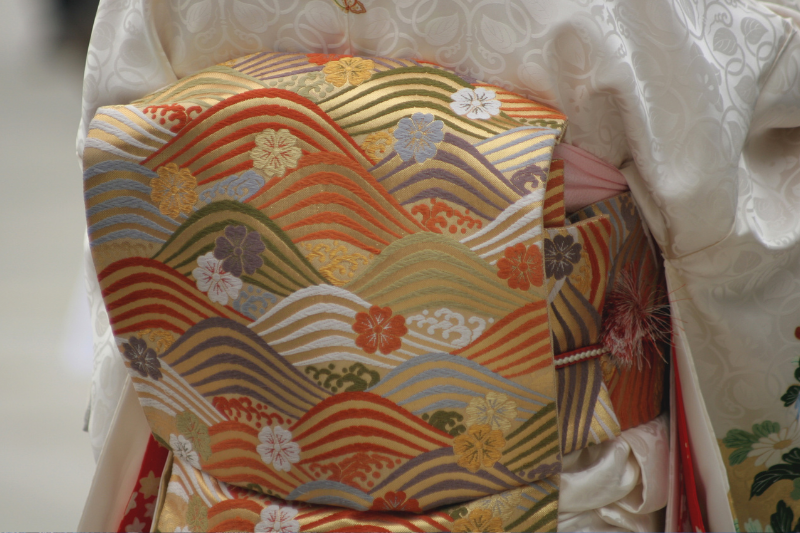
The obi is one of the most distinctive elements of a kimono outfit and a symbol of Japan’s traditional clothing culture.
It does far more than simply hold the kimono in place—it plays a major role in shaping the overall impression and level of formality.
Its character changes depending on the material, pattern, width, and the way it is tied.
Even with the same kimono, switching to a different obi can create a completely new look.
Originally, the obi was a simple, narrow cord, but during the Edo period it evolved into the wide, decorative style we see today.
In modern times, the obi is enjoyed in both formal and casual settings, blending tradition with contemporary fashion.
An obi cannot be worn on its own; various ties and accessories are used to secure it properly.
Obi Types
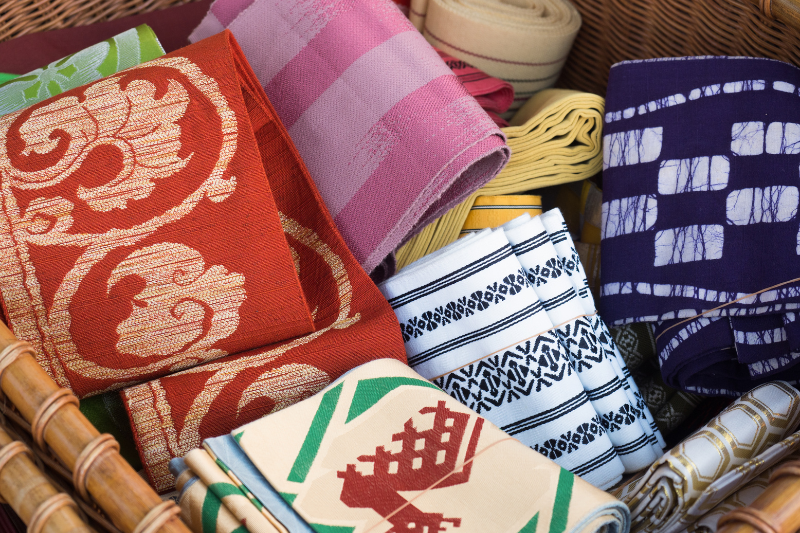
There are several types of obi, each used according to the occasion and level of formality.
The way an obi is tied and its overall appearance vary greatly depending on the type, which can completely change the impression of a kimono outfit.
Nagoya Obi
Suitable for everyday wear to semi-formal occasions.
It is lightweight, easy to handle, and the most commonly used type of obi. You’ll often see it for casual outings, city walks, or informal gatherings.
Fukuro Obi
A formal obi often decorated with gold threads and elaborate patterns.
It is worn for weddings, ceremonies, and other highly formal events.
Hanhaba Obi
A casual obi that pairs well with yukata and everyday kimono.
It offers many tying variations and is ideal for relaxed, daily kimono styles.
Men’s Obi
Worn by men for both casual and formal occasions.
The impression changes depending on the material and pattern.
Pre-tied Obi
An obi that is pre-shaped into a bow.
Commonly used with yukata, it is a modern and beginner-friendly option popular among tourists and first-time kimono wearers.
Obi Formality and TPO
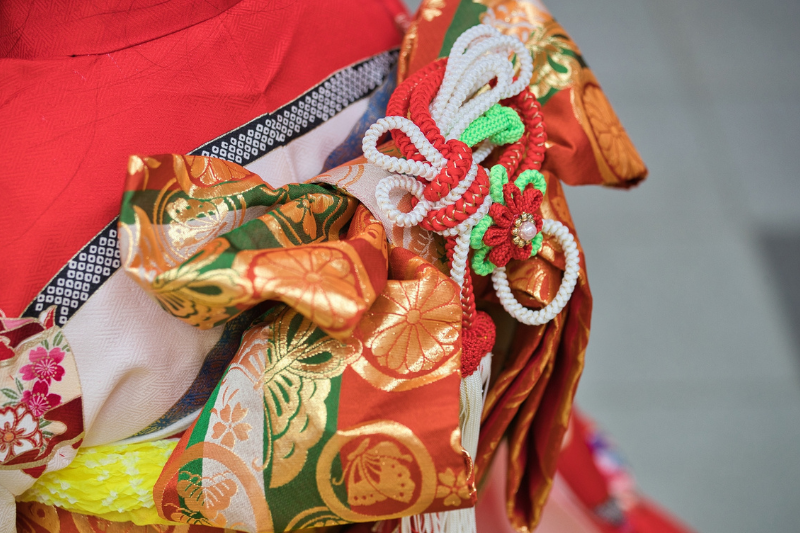
The type of obi you choose depends not only on its style but also on its level of formality.
Higher‑formality obi often feature gold or silver threads and elaborate weaving, making them suitable for weddings, ceremonies, and other formal occasions.
The season, fabric, and formality of the obi should harmonize with the kimono so that the outfit feels balanced and cohesive.
Formal Occasions (Weddings, Ceremonies)
The most formal settings call for a Fukuro Obi.
These often include gold or silver threads and elegant patterns, and are typically tied in the nijūdaiko (double‑drum) style.
Semi‑formal Outings (Social Events, Dining, Theater)
Refined but not overly ornate obi are appropriate.
The Nagoya Obi is commonly used and suits a wide range of occasions such as theater visits, city outings, and casual gatherings.
Casual Wear
For everyday kimono or yukata, the Hanhaba Obi is the most common choice.
It is lightweight, easy to tie, and offers many variations.
Men’s TPO
Men have fewer obi types, with the Kaku Obi being used for both casual and formal wear.
The material and pattern determine its level of formality.
Modern Options
For tourists or beginners, Pre‑tied Obi are a popular choice.
Often used with yukata, they allow for quick and easy dressing.
Season, Construction, and Patterns
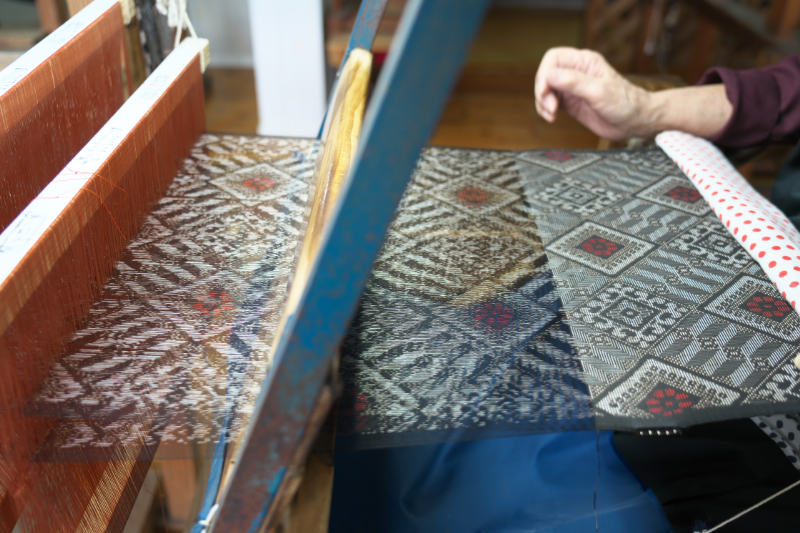
SeasonThe materials and weaving styles of obi change with the seasons.
Spring/Autumn — Designs featuring seasonal flowers or calm, muted colors.
Summer Obi (Ro, Ra, Sha) — Light and sheer fabrics that create a cool, airy look.
Winter Obi — Thick, richly woven fabrics with a heavier appearance.
Construction
The way an obi is constructed also affects how it is used.
- Nagoya Obi (Open-tail construction) — Easy to handle and ideal for everyday wear.
- Fukuro Obi (Full-pattern or partial-pattern construction) — The placement of the pattern determines its level of formality.
- Hanhaba Obi — The length and width influence which tying styles are possible.
Unlike kimono, which are tailored from a bolt of fabric to fit the wearer, obi are usually sold already finished.
Their length and width are standardized, so most people do not need to think about tailoring when choosing an obi.
Because an obi cannot be worn on its own, various accessories such as koshi-himo, datejime, and an obi board are used when dressing.
These accessories are explained in a separate article.
Patterns
Obi patterns are chosen according to the season and the formality of the occasion.
Japanese obi feature a wide range of designs, from traditional motifs to modern styles.
Since there are countless types of patterns, here are some of the most common categories:
- Traditional Patterns — Motifs such as pine, bamboo, plum, fans, tortoiseshell, and shippō. Often used for formal occasions.
- Seasonal Motifs — Cherry blossoms, maple leaves, chrysanthemums, snow motifs, and more. Choosing patterns that match the season gives a refined impression.
- Geometric Patterns — Checkerboard, stripes, asanoha (hemp leaf), and similar designs. Suitable for casual to semi-formal wear.
- Modern Designs — Abstract patterns or Scandinavian-inspired motifs that pair well with everyday kimono.
For formal occasions, obi often feature gold or silver threads and elaborate weaving.
For casual wear, simpler patterns and calm colors are preferred.
Obi Knots
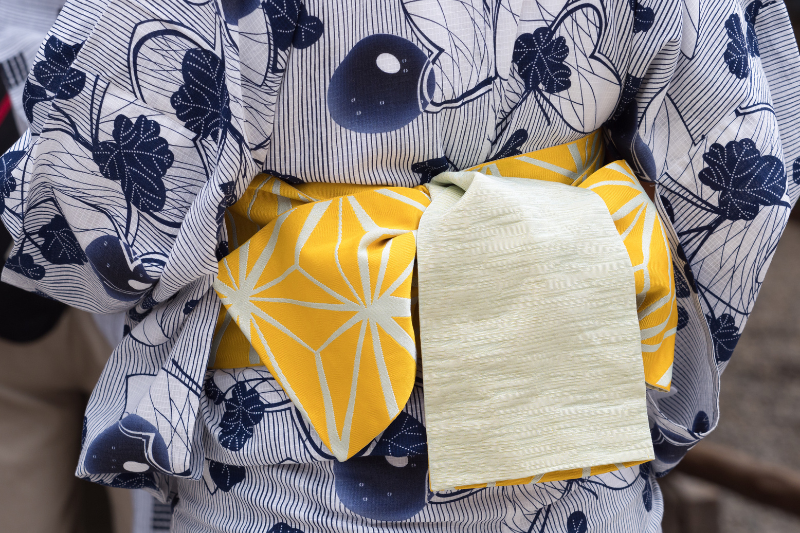
There are many ways to tie an obi, but there are a few basic knots that are helpful to learn first.
Here are some of the most common styles:
- Taiko Musubi (Drum Knot) The most classic and elegant knot, used with Nagoya Obi and Fukuro Obi.
- Nijūdaiko (Double Drum Knot) A more formal version of the taiko knot, often used for celebratory occasions. Typically tied with a Fukuro Obi.
- Bunko Musubi (Box Bow Knot) A cute and popular knot often seen with yukata and hanhaba obi.
- Kai-no-Kuchi (Clam’s Mouth Knot) A simple and practical knot commonly used for men’s kaku obi.
There are many other knot variations as well.
The way an obi is tied can dramatically change the overall impression of a kimono outfit, which is one of the unique charms of wearing obi.
Modern Obi Culture
In modern times, the ways people enjoy obi have become more diverse, just like kimono fashion itself.
- Kimono rentals in tourist areas A casual and accessible way to enjoy obi as part of a full kimono outfit.
- Modern styling combined with Western clothing Some people incorporate obi into contemporary fashion, pairing them with dresses or using obi accessories as unique accents.
- Coordinating with obi accessories Items such as obidome (decorative clasps) and obiage allow for personal expression and add individuality to an outfit.
- Upcycling old obi into bags or accessories The beautiful fabrics of unused obi are often remade into handbags, pouches, and other items.
While preserving the traditional beauty of the obi, more people today enjoy it with a sense of creativity and freedom.
Obi are generally purchased already finished at kimono shops, unlike kimono, which are tailored from a bolt of fabric.
Because high‑end obi from long‑established makers can be quite expensive, many people also look for them at secondhand stores or in the used kimono market.
Some kimono shops also carry recycled obi.
When choosing an obi, it is important to consider the length, width, and construction (such as Nagoya Obi, Fukuro Obi, or Hanhaba Obi), and select one that suits the occasion and the style you want to wear.
Summary

The obi is an essential element that shapes the overall impression of a kimono.
Learning about different types of obi and how to tie them opens up a wider world of kimono styling.
One of its charms is that a single choice can completely change the mood of an outfit, from formal to casual.
Tying an obi on your own requires gathering the right accessories and practicing step by step, but as you gradually master each part, your personal kimono time becomes even more enjoyable.
Even if the obi seems difficult at first, you’ll discover your own favorite style as you continue to explore it.
I hope this article has given you a small but helpful introduction to the world of obi.
If you visit a kimono shop, you’ll find many beautiful obi and kimono waiting to be discovered.
コメント